
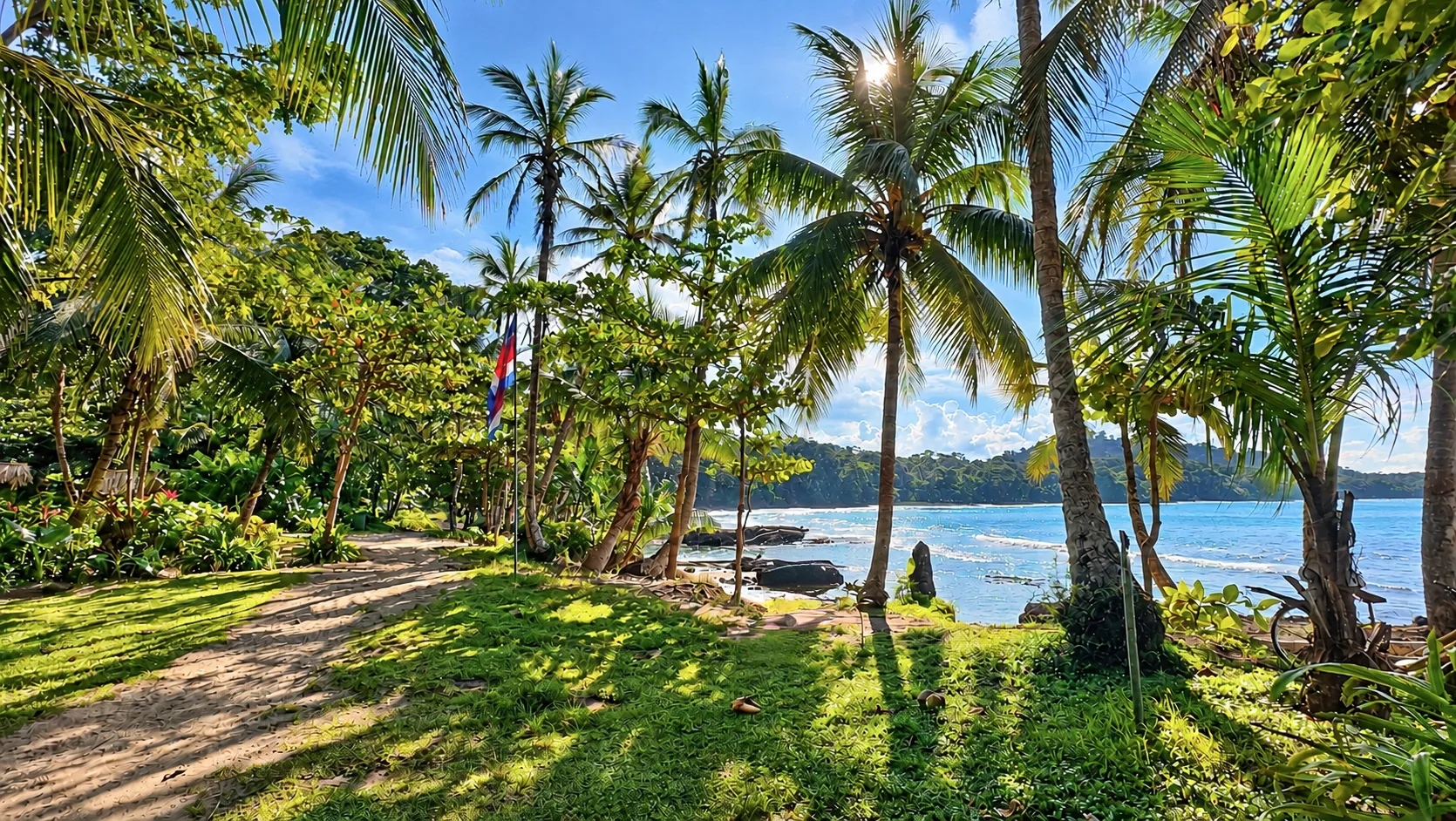
Puerto Viejo de Talamanca, Costa Rica
Discover Puerto Viejo
Where Caribbean culture, tropical nature and ocean life meet.
Puerto Viejo de Talamanca is more than a beach destination. It's a small Caribbean town shaped by Afro-Caribbean culture, tropical forest, beaches, surfing, local food and a slower way of life. This page is our answer to the question most visitors ask before they arrive: what is it actually like here?
Explore the town
Chapter 01 — The Caribbean
The Caribbean Soul of Puerto Viejo
Puerto Viejo's identity is deeply connected to the Caribbean. Many families here descend from Jamaican and other West Indian workers who came to Costa Rica's Limón province in the late 1800s to build the railroad and work the banana farms. That heritage still shapes the town's food, music, language and pace of daily life.
You'll hear it in calypso and reggae drifting out of open-air bars, and in Limonese Creole, an English-based language still spoken between neighbors alongside Spanish. The Bribri and Cabécar Indigenous communities of the Talamanca mountains are close neighbors too, which is why cacao, jungle medicine and river life are woven so deeply into the region.
- Language
- Spanish, English and Limonese Creole — often in the same conversation.
- Music
- Calypso limonense, reggae and dancehall, from beach bars to Saturday nights.
- Pace
- Bicycles, open doors and "pura vida" taken seriously.
Chapter 02 — Food & Fruits
Flavors of the Caribbean
A taste of Puerto Viejo's tropical side.
Caribbean cooking here runs on coconut, allspice, thyme and Scotch bonnet peppers — a very different table from the rest of Costa Rica. A few things worth trying:
Rice and beans
Cooked in coconut milk with thyme and a whole hot pepper; the weekend staple, often with Caribbean chicken.
Rondón
A slow coconut stew of fish or seafood with root vegetables and plantain. The name comes from "run down."
Patí
A flaky turnover filled with spiced beef and a little heat, sold warm from bakeries and street carts.
Pan bon
A dark, sweet Caribbean bread with cheese and candied fruit, especially around the holidays.
Agua de sapo
Ginger, lime and raw cane sugar over ice — the local answer to the humidity.
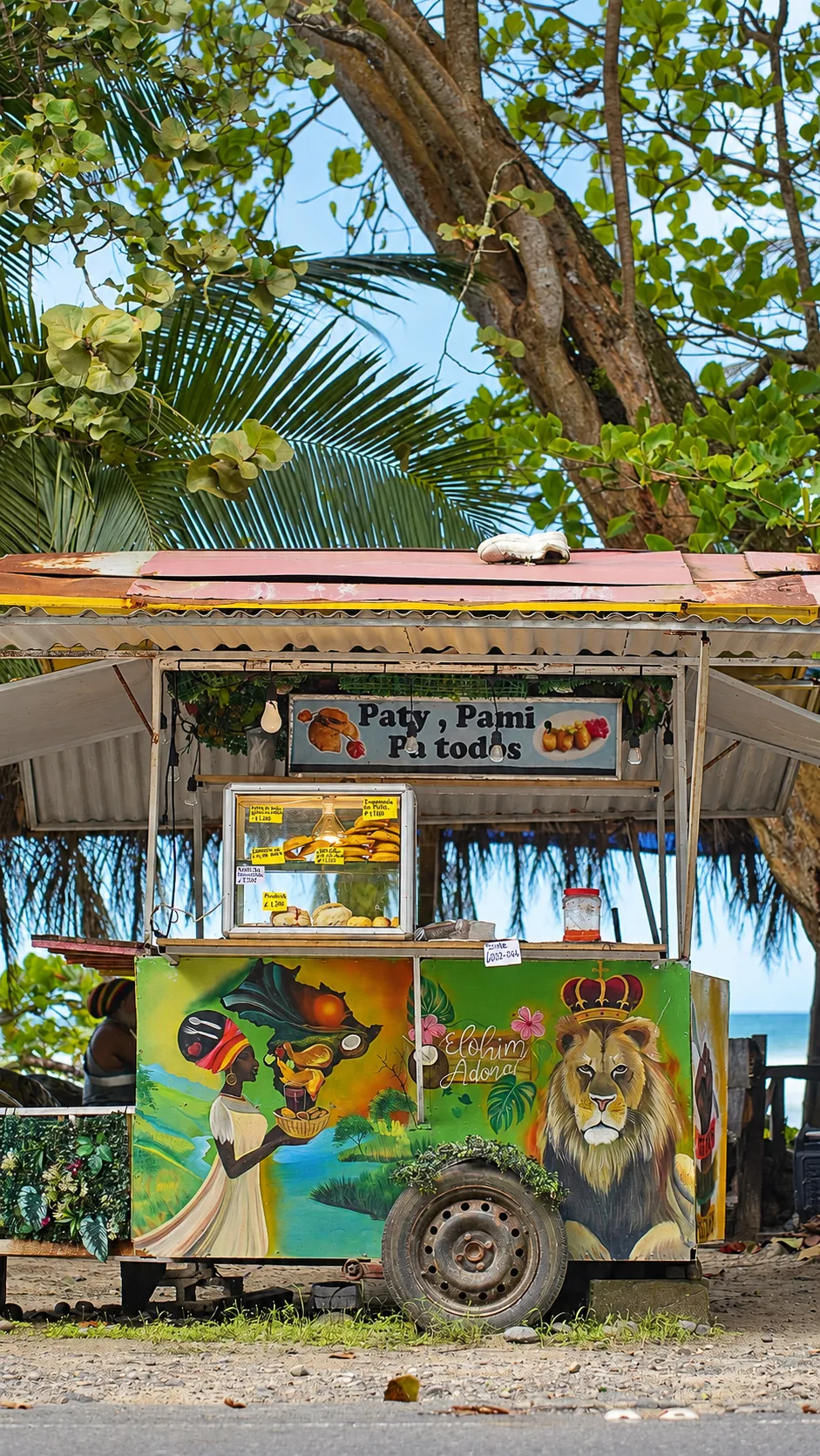
What grows around Puerto Viejo?
Heat, rain and rich soil make the Caribbean coast one of the best places in Costa Rica to taste tropical fruit straight from the tree. Many of these grow on farms and in gardens around Punta Uva, including on our own property.
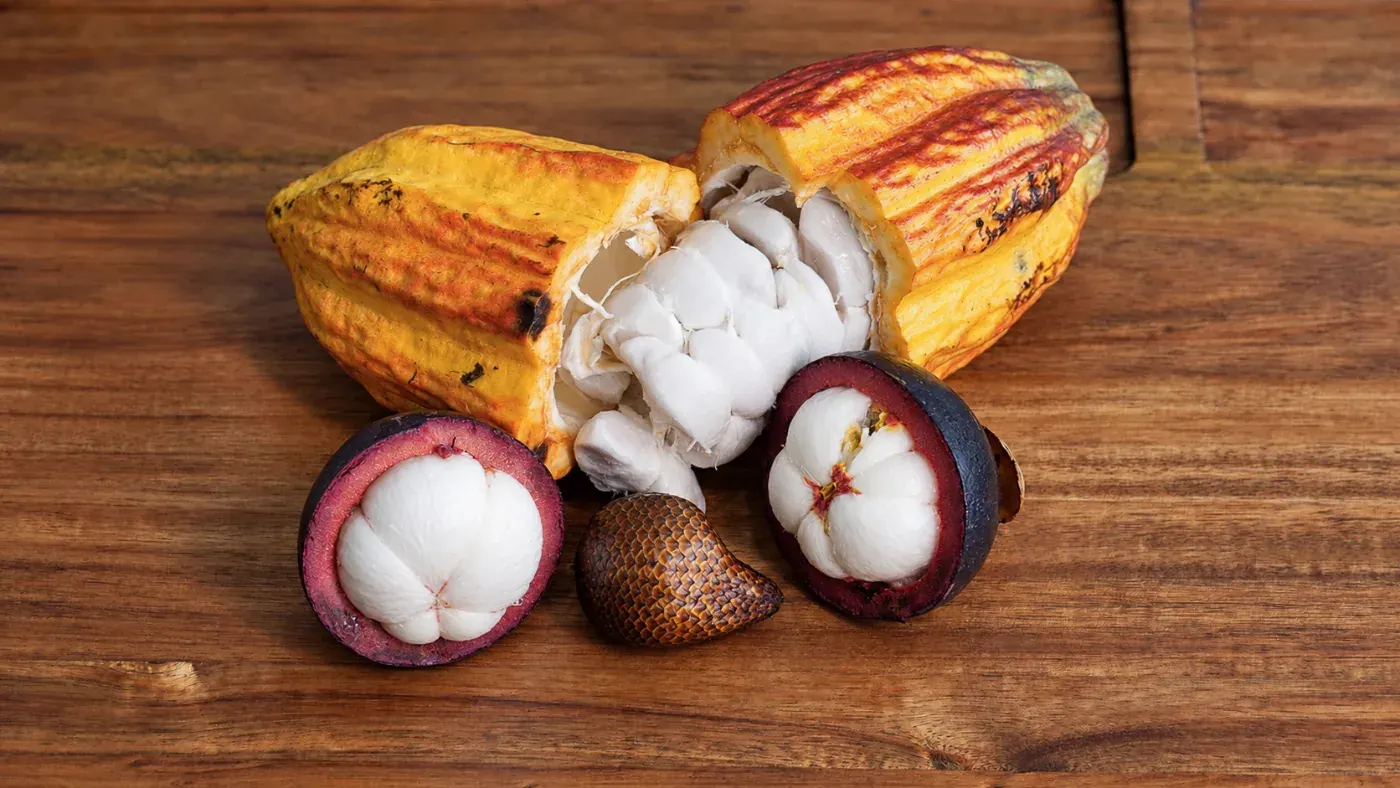
Cacao
Cacao
The fruit behind chocolate, grown in Talamanca for centuries. The sweet white pulp around the beans is a treat on its own.
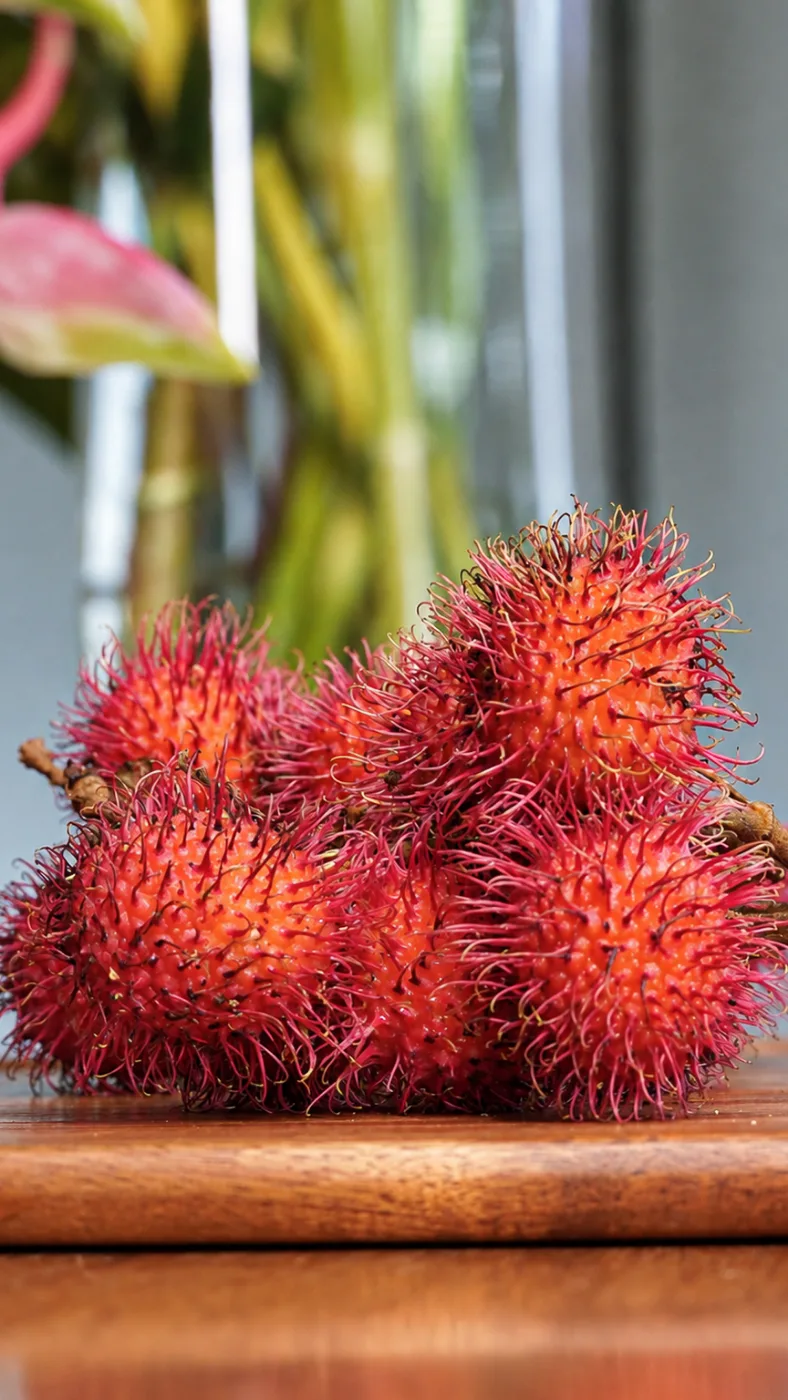
Rambutan
Mamón chino
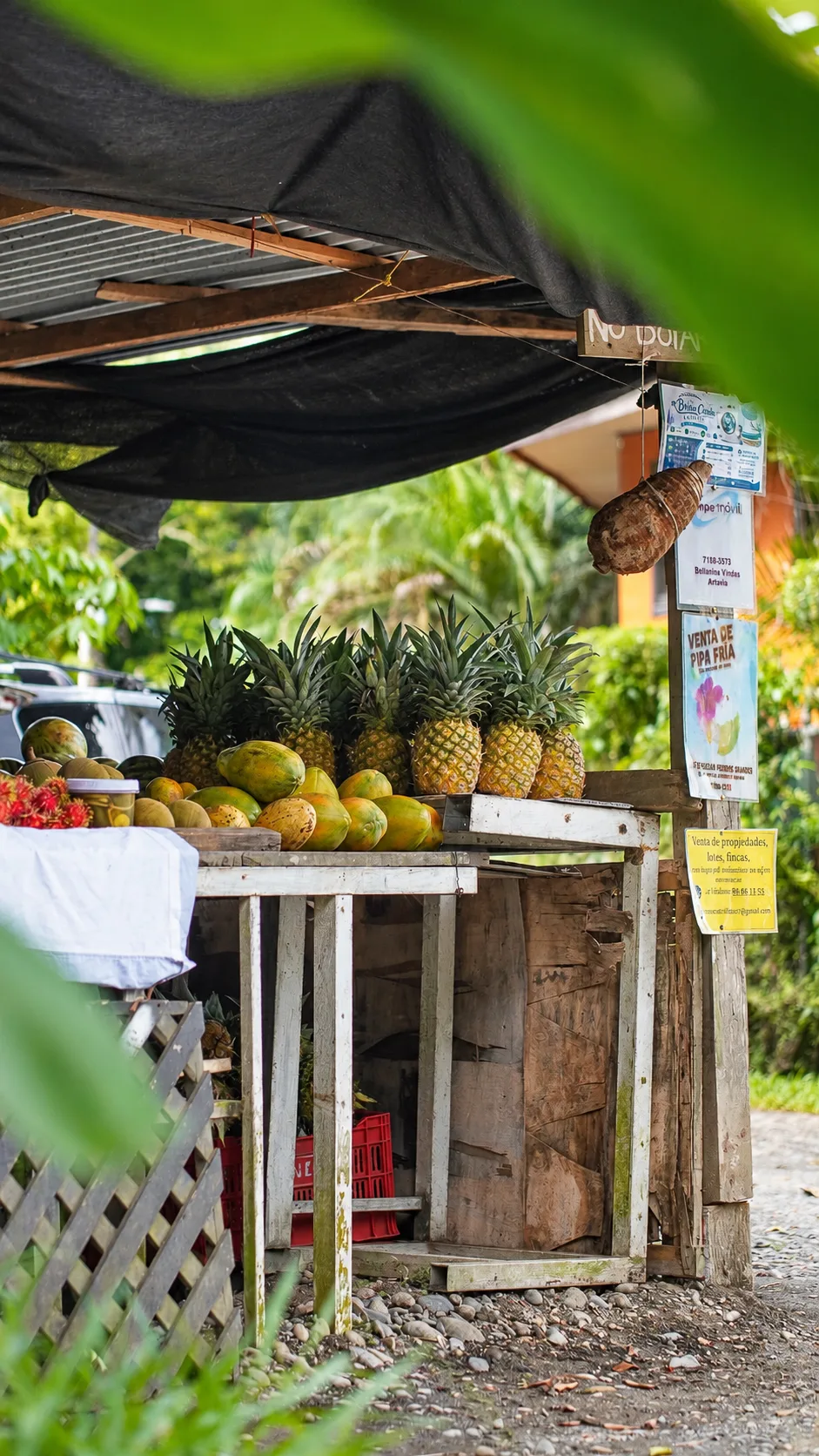
Spiky red shell, juicy grape-like fruit inside. Sold by the bunch at roadside stands in season.
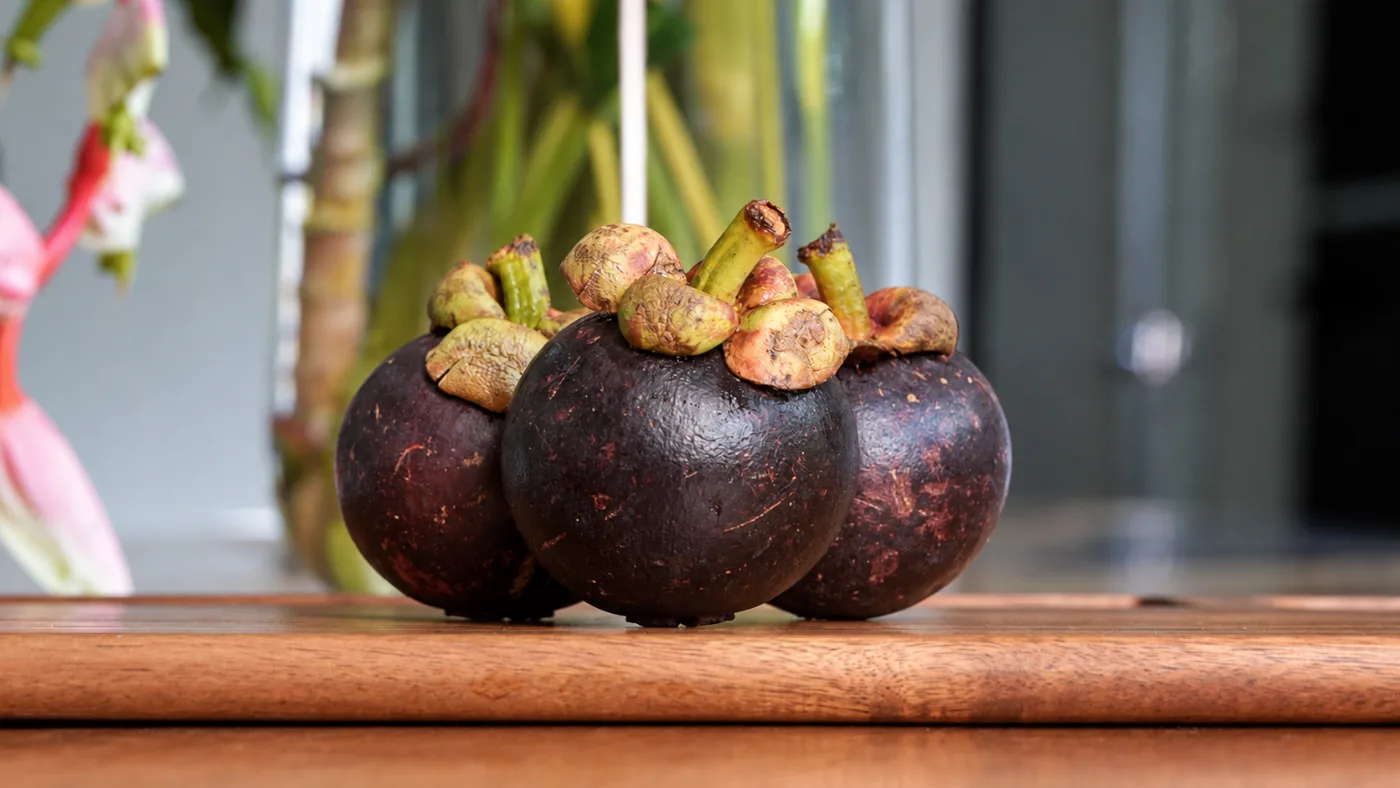
Mangosteen
Mangostán
A deep purple shell around soft white segments: sweet, floral and a little tart.
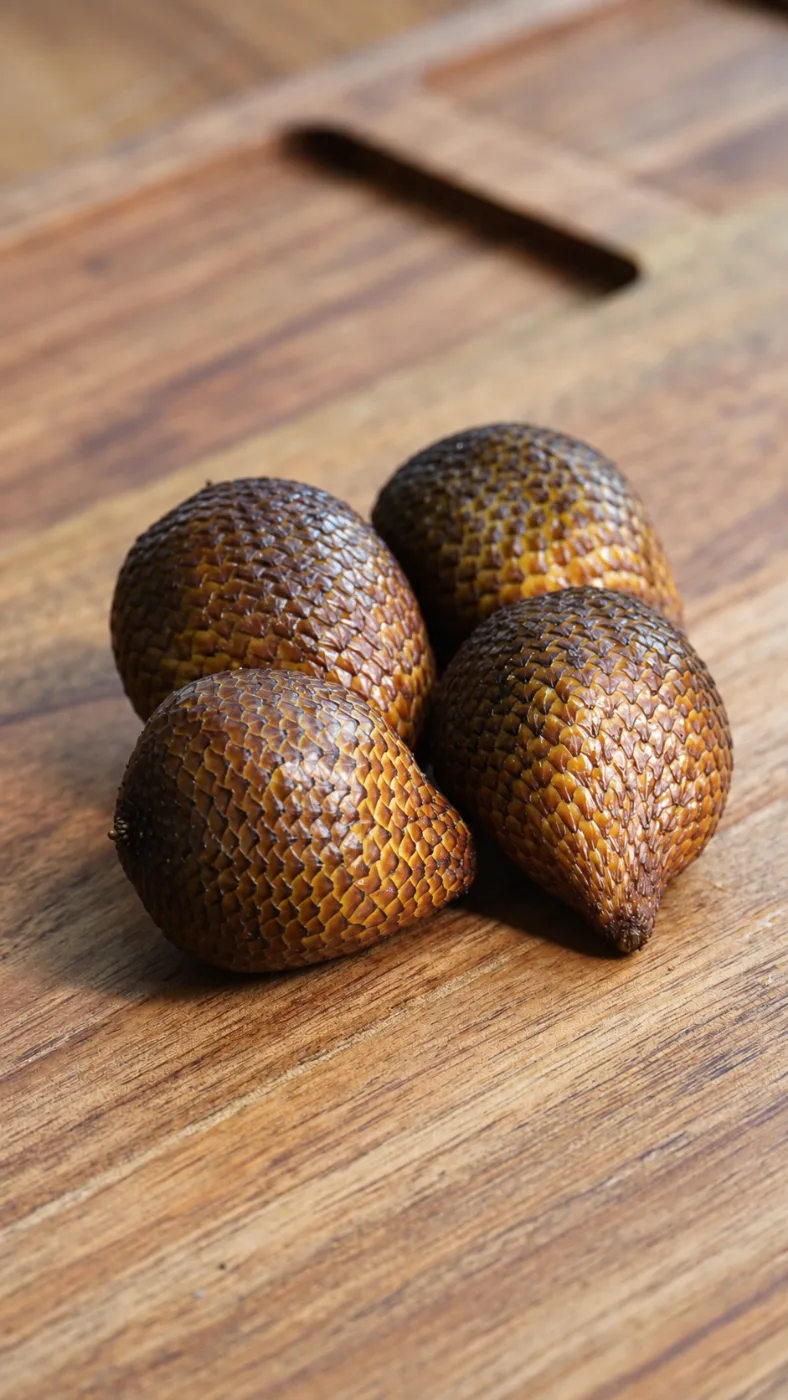
Snake fruit
Salak
Scaly brown skin that peels like a shell, with crisp, sweet-tart flesh. A rare find from the area’s exotic-fruit farms.
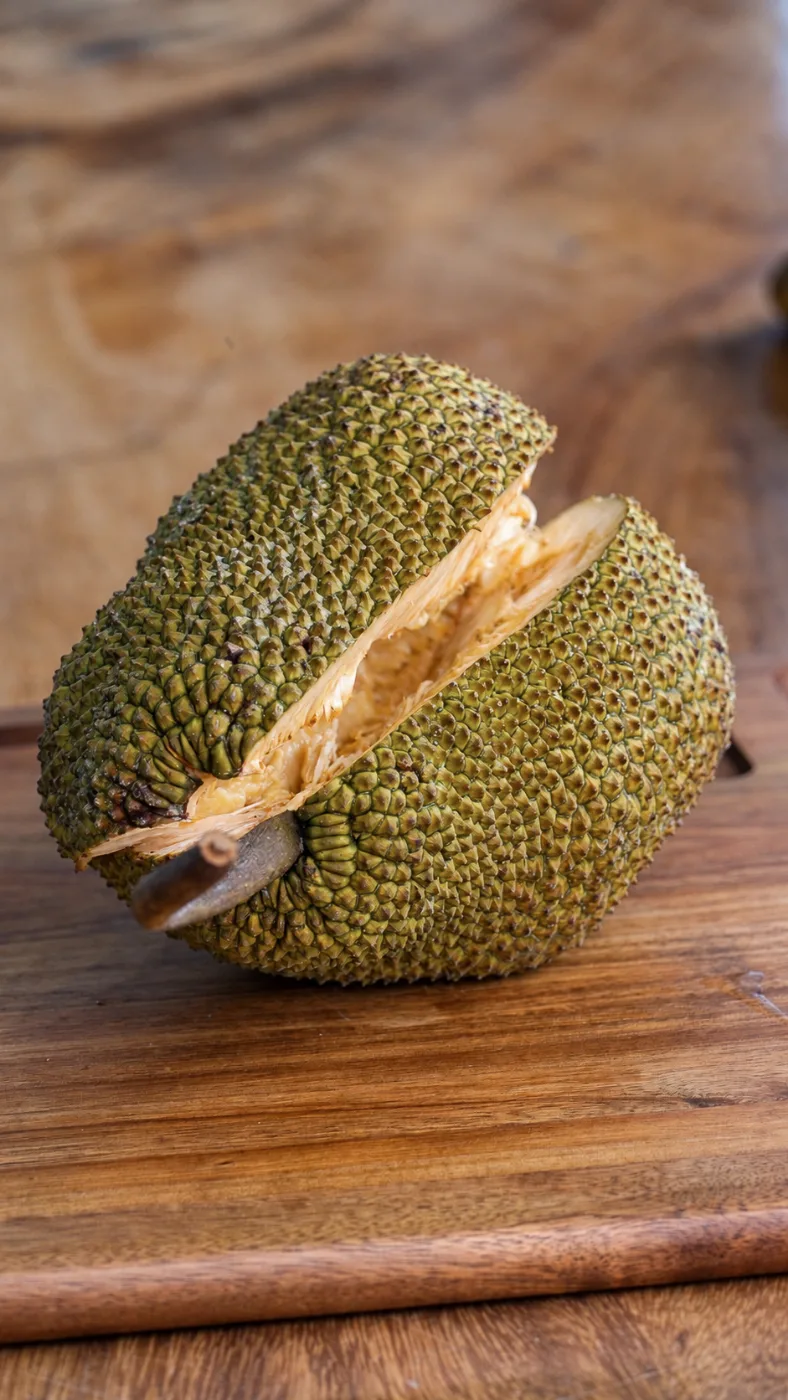
Jackfruit
Jaca
The largest tree fruit in the world, sweet and fragrant when ripe.
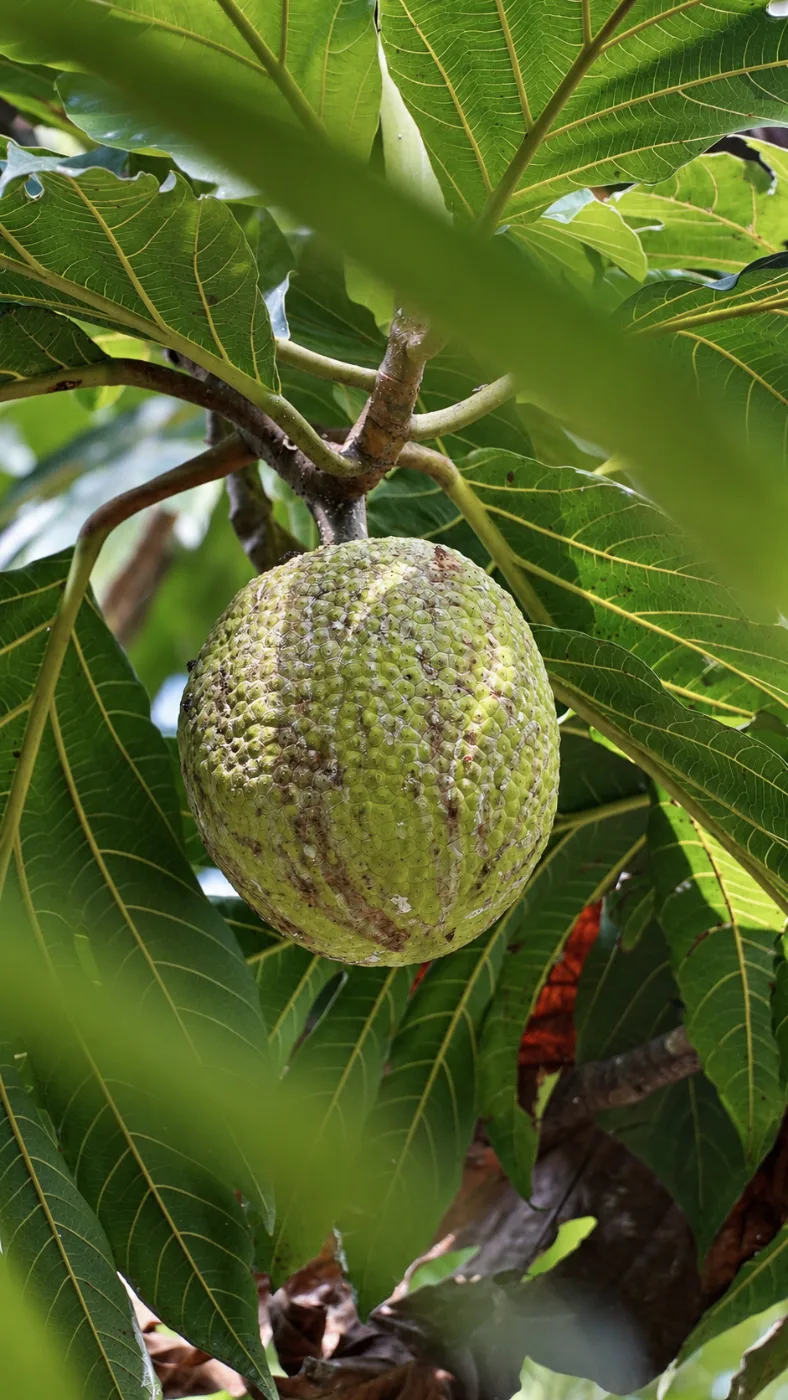
Breadfruit
Fruta de pan
A starchy Caribbean staple, fried, roasted or boiled like a potato.
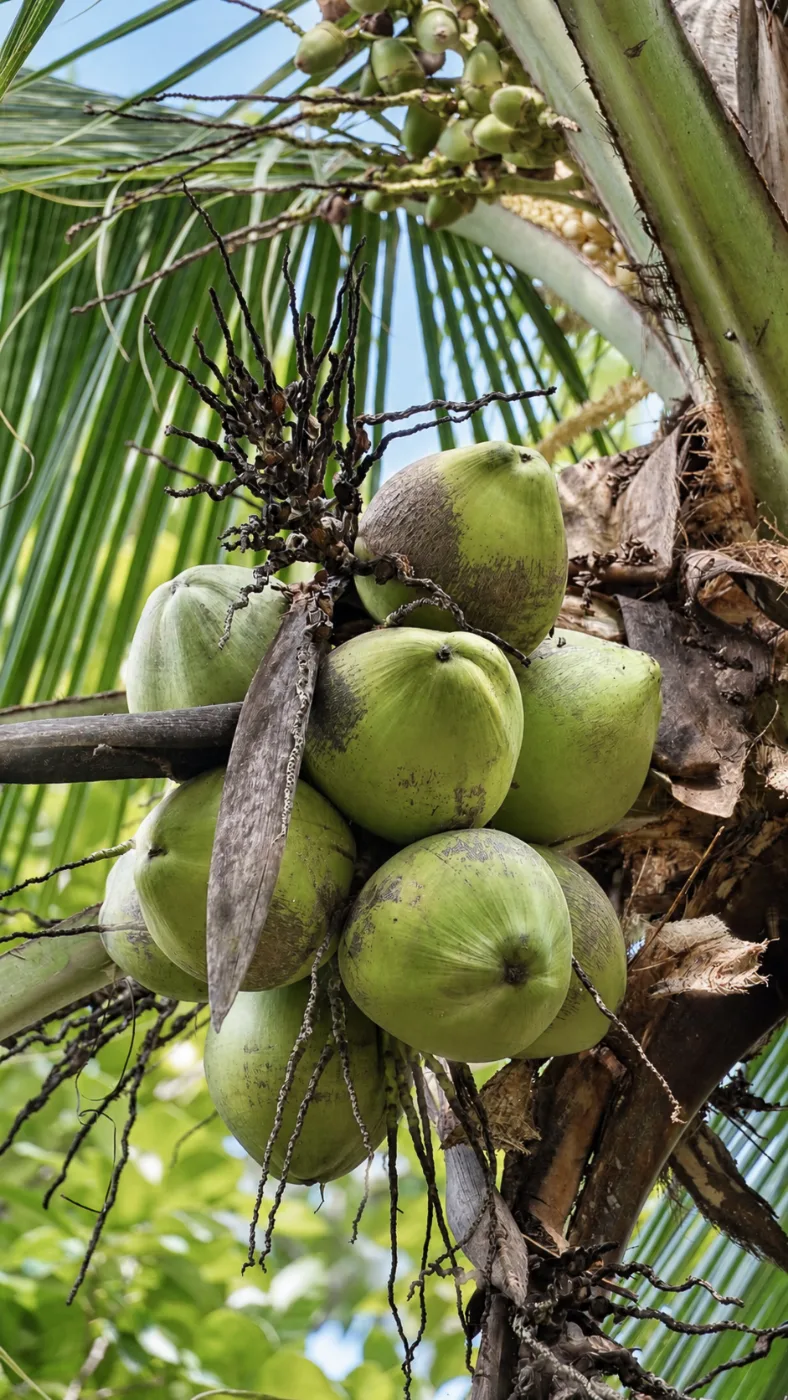
Coconut
Pipa
Drunk straight from the green nut, and the base of almost every Caribbean dish.
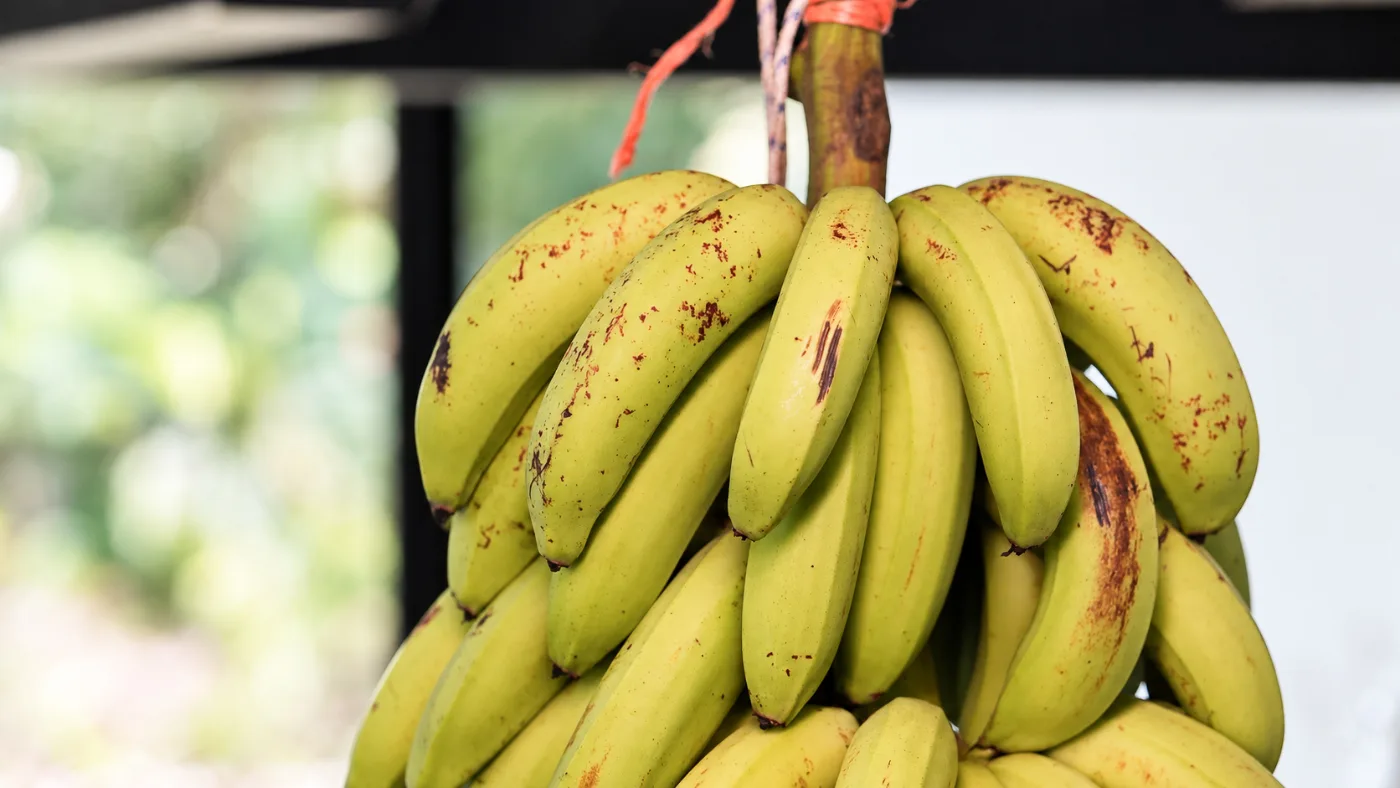
Bananas
Banano
Limón is Costa Rica’s banana heartland. Sweet ones for breakfast, green ones and plantains fried into patacones.
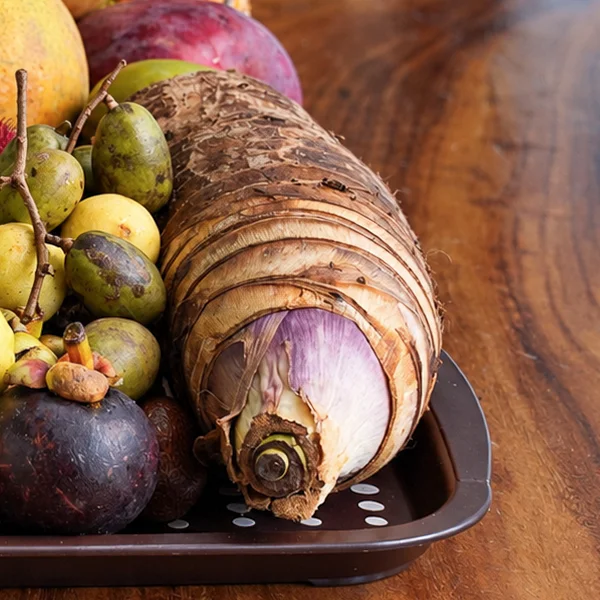
Taro
Ñampí
A hairy, ringed root with pale purple flesh, cooked into Caribbean soups like rondón.
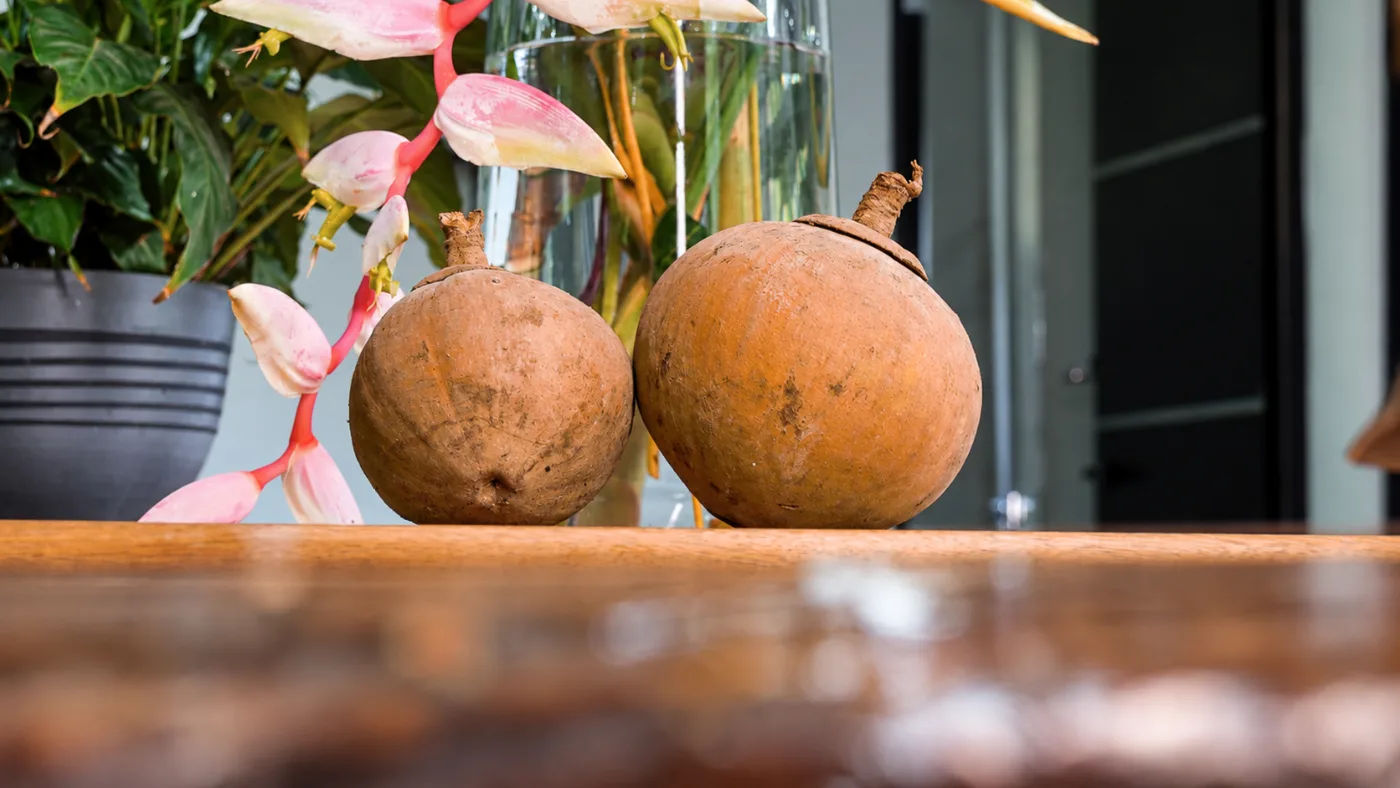
Zapote
Mamey sapote
Rough brown skin around sweet, creamy, salmon-colored flesh, often blended into a batido.
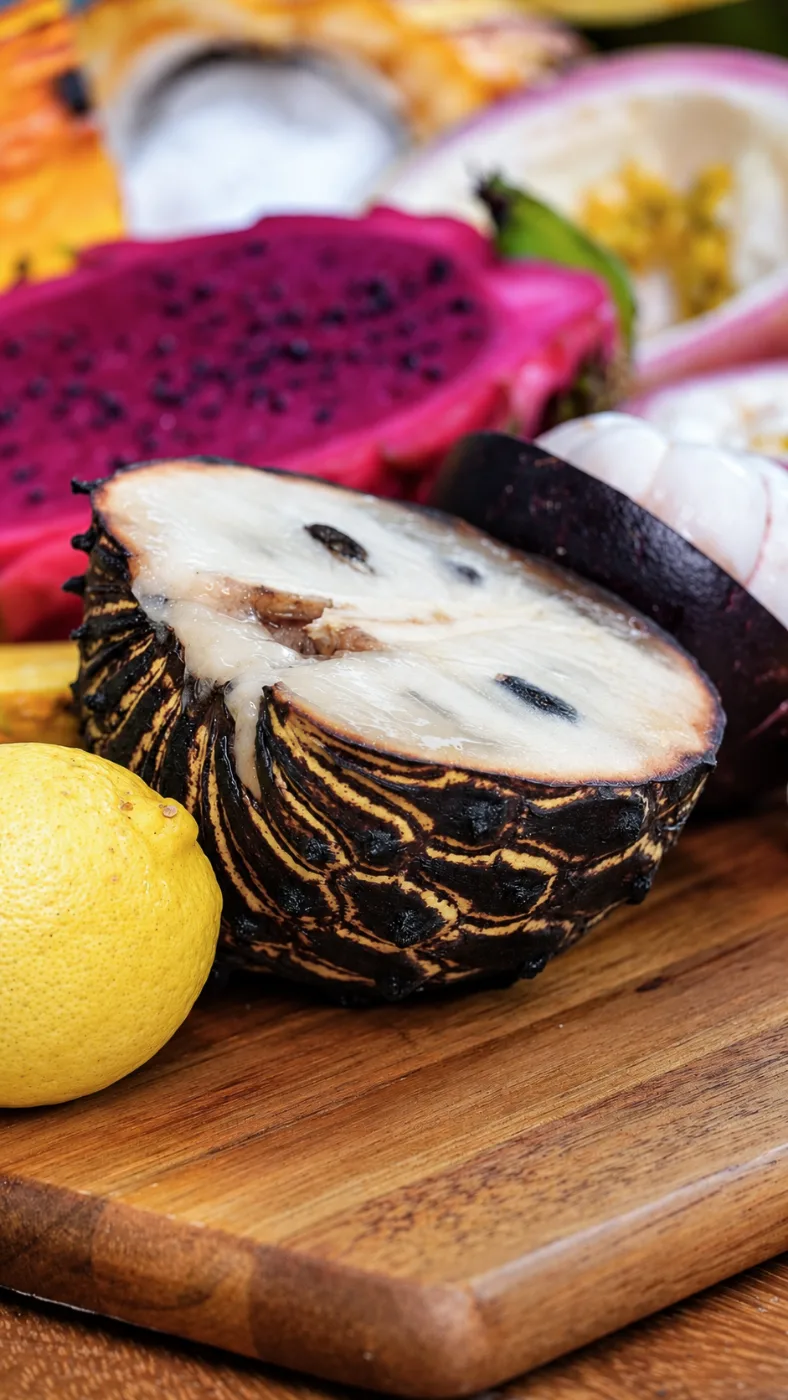
Custard apple
Anona
Soft white flesh as sweet as custard, with large black seeds. Eat it with a spoon.
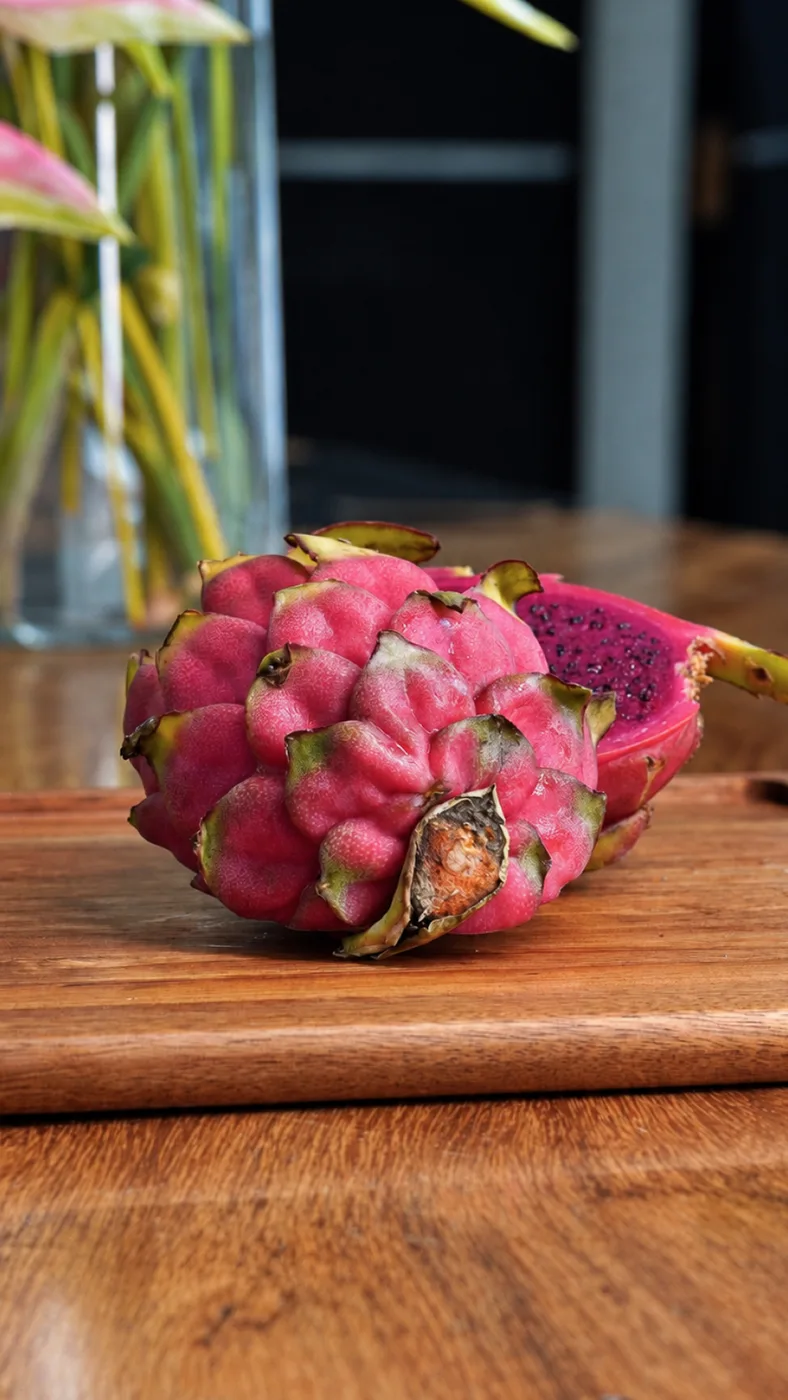
Dragon fruit
Pitahaya
Bright pink skin and magenta flesh speckled with seeds; mild, sweet and very refreshing.
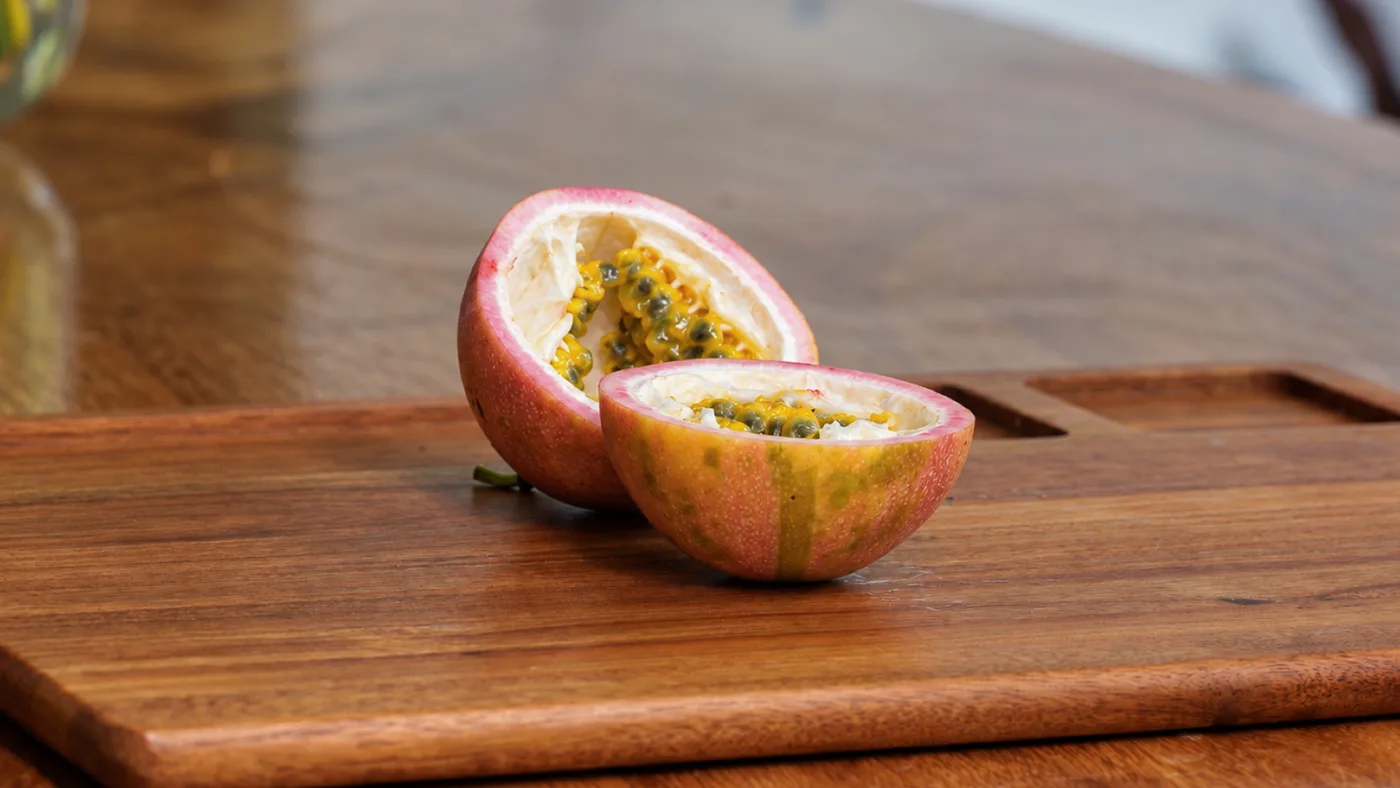
Passion fruit
Maracuyá
Tart, fragrant pulp scooped straight from the shell or blended into a fresco.
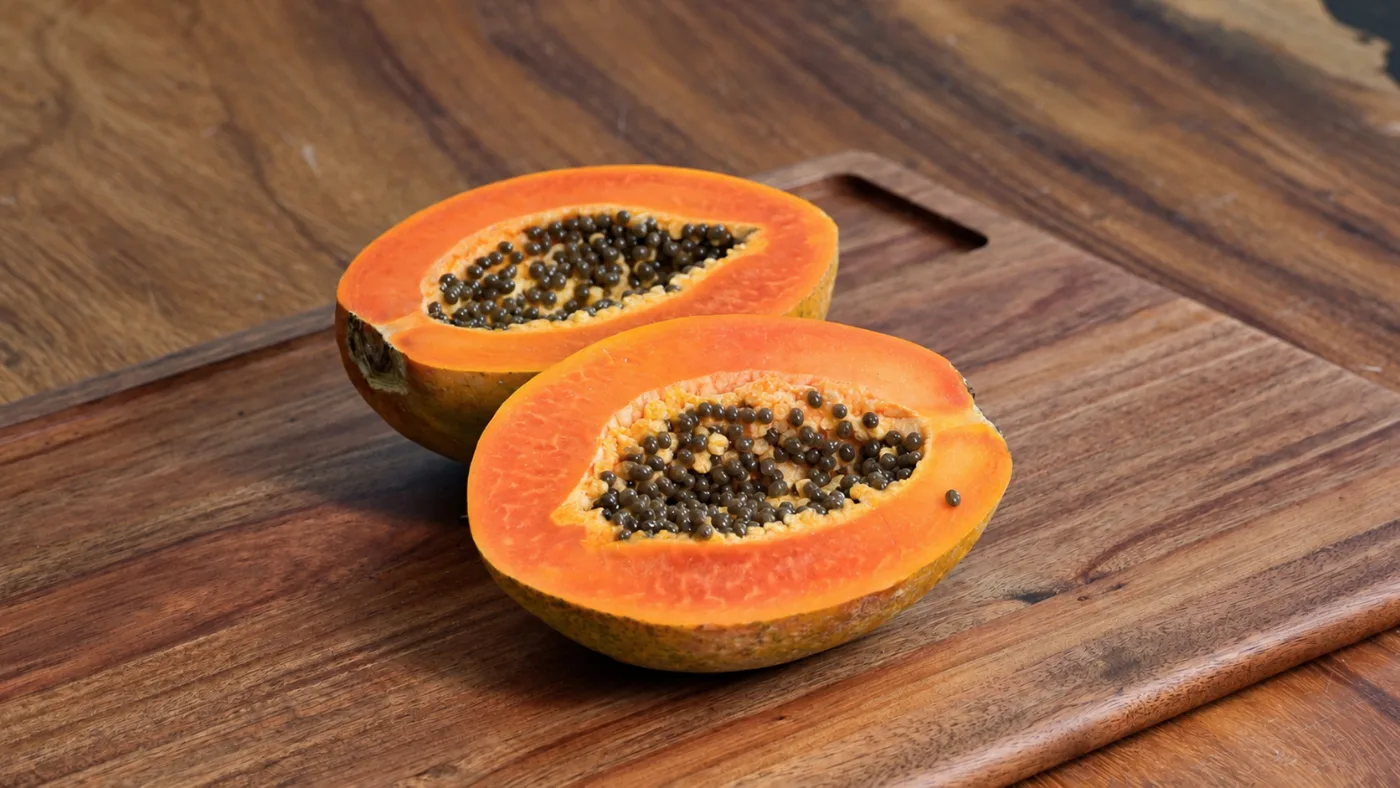
Papaya
Papaya
Sweet orange flesh, eaten at breakfast all over Costa Rica with a squeeze of lime.
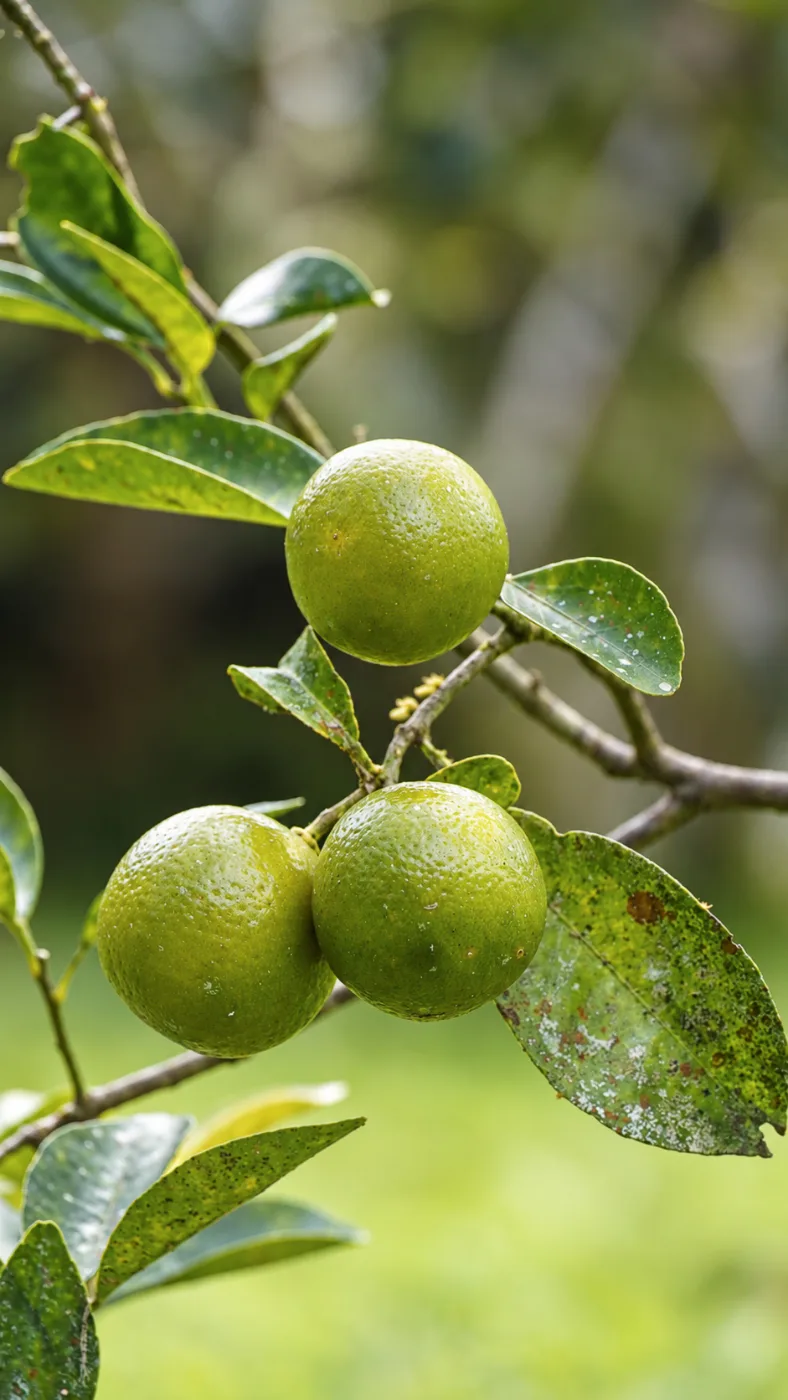
Limes
Limón
Squeezed over everything from papaya to ceviche; plenty of yards here have their own tree.
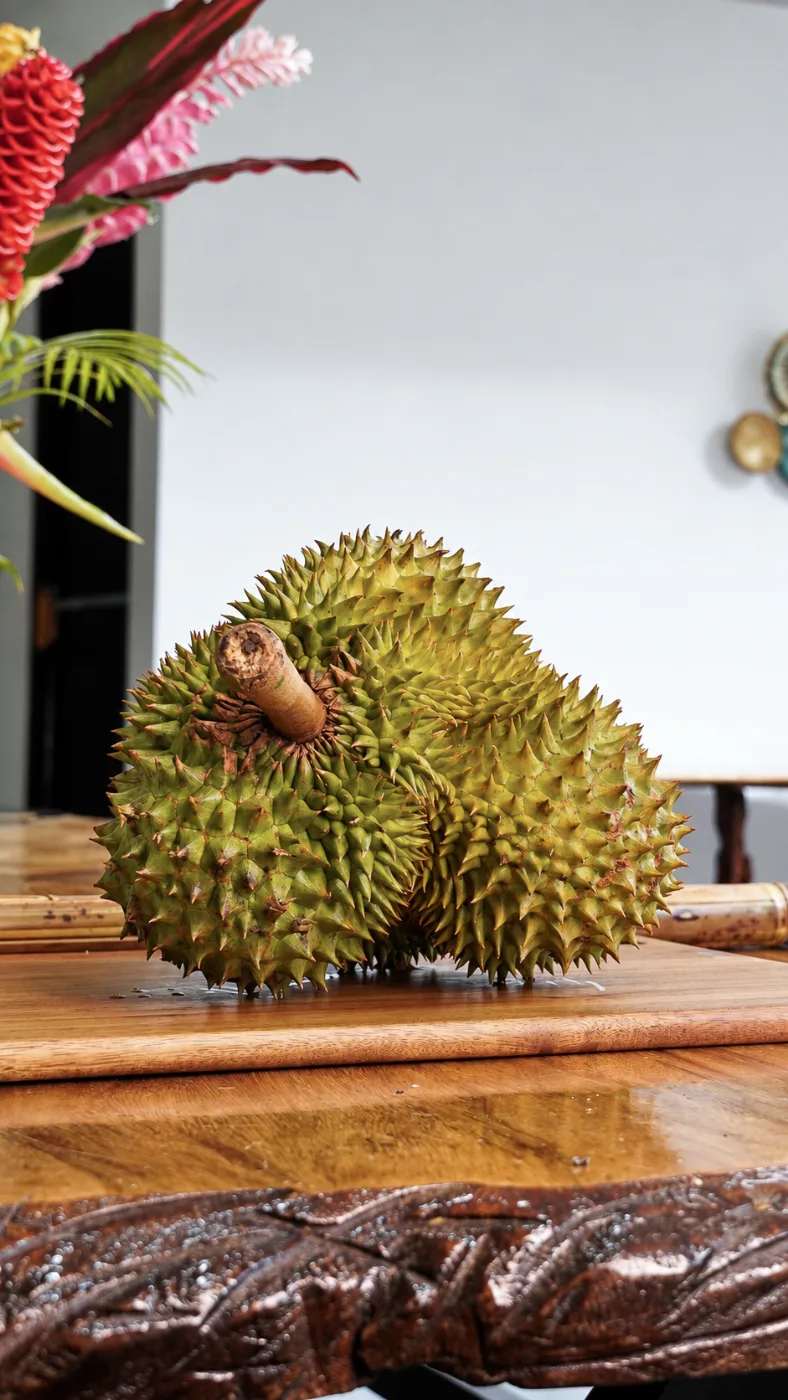
Durian
Durián
Spiky and famously pungent, with rich, custard-like flesh. Grown by a few exotic-fruit farms on this coast.
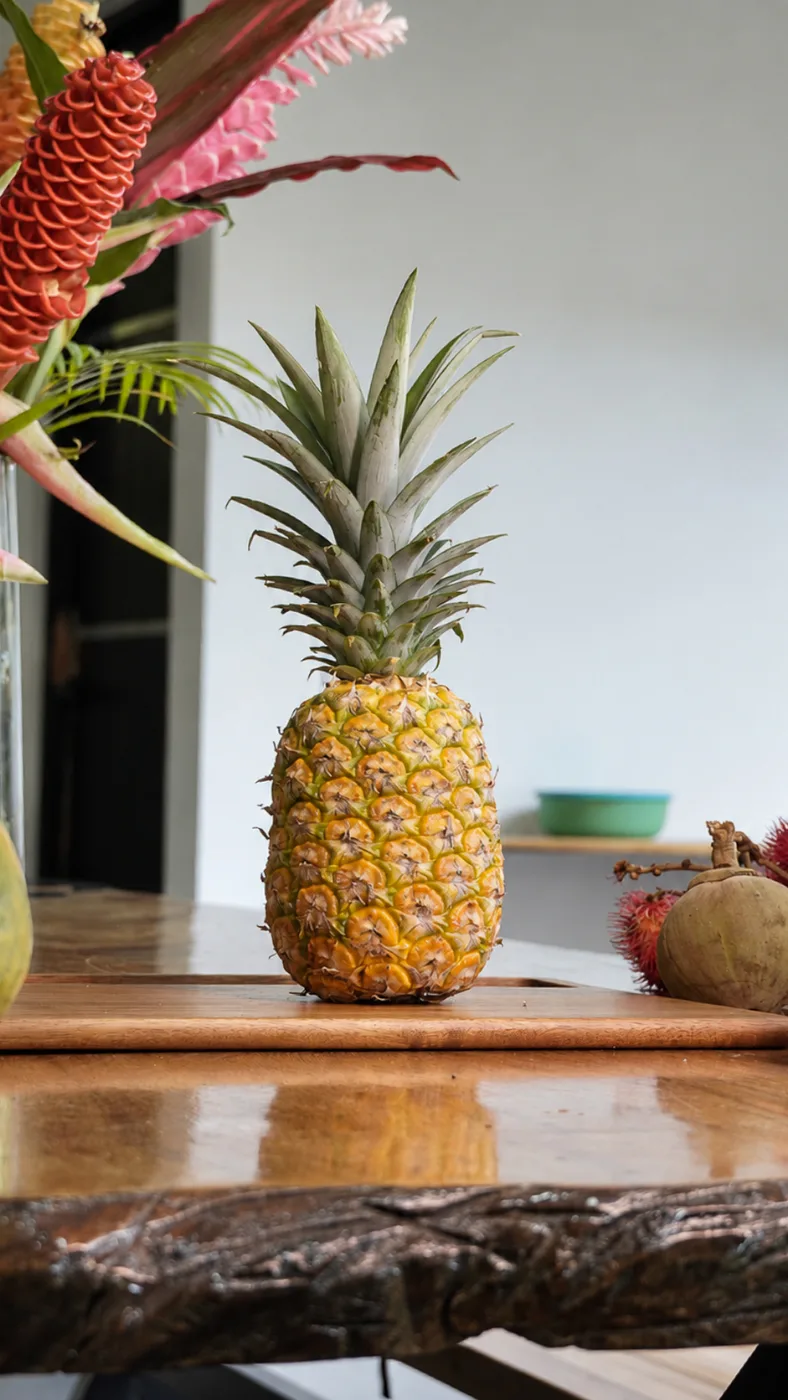
Pineapple
Piña
Costa Rica is one of the world’s biggest pineapple growers; a ripe one here tastes nothing like the export kind.
Chapter 03 — Beaches
The Beaches of Puerto Viejo
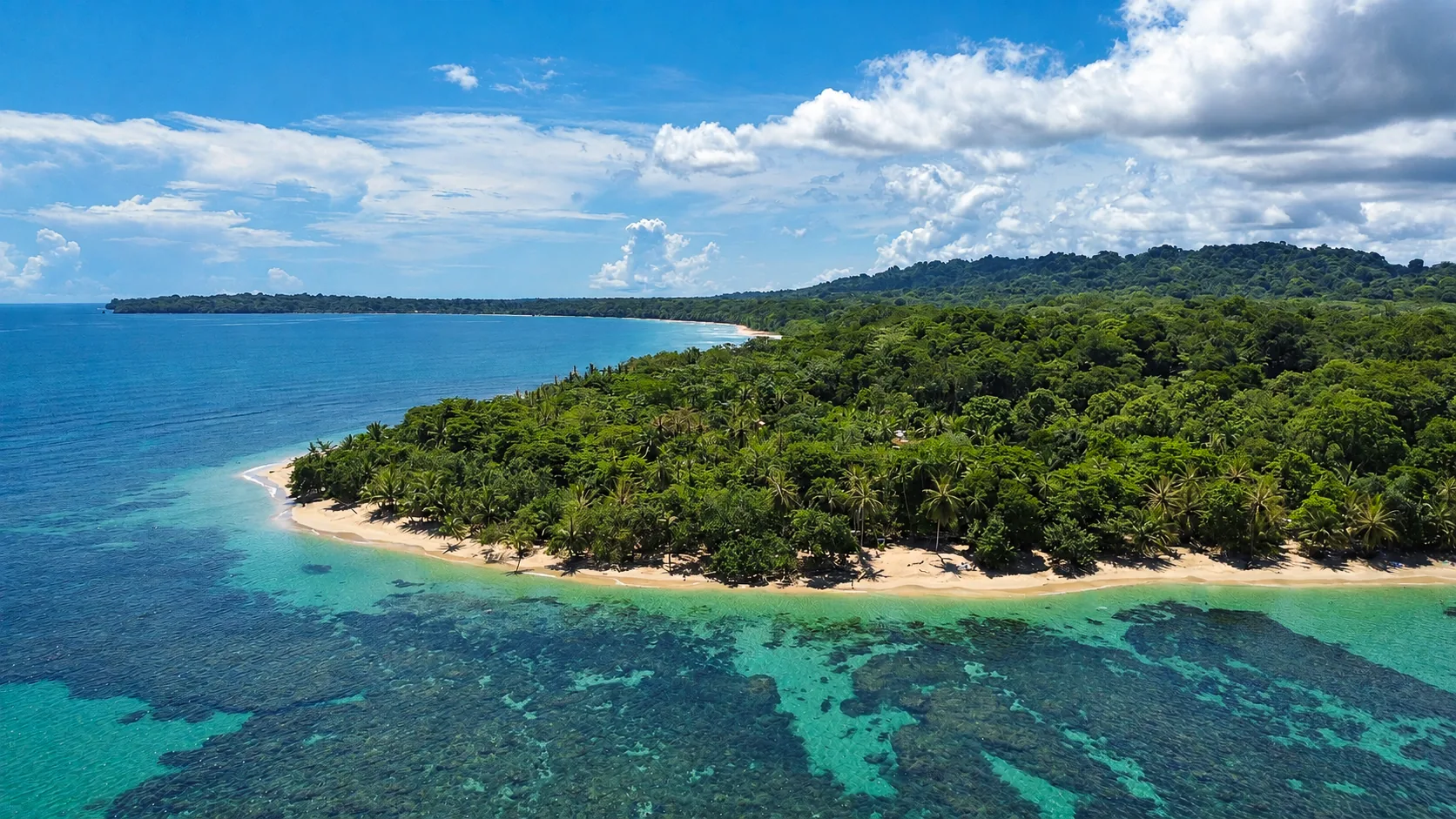
A single coastal road runs south from Puerto Viejo to Manzanillo, and almost every turn off it leads to a different beach. Each one has its own character:
 Photo coming soon
Playa Negra
Dark volcanic sand just north of town, and a completely different atmosphere from the beaches to the south.
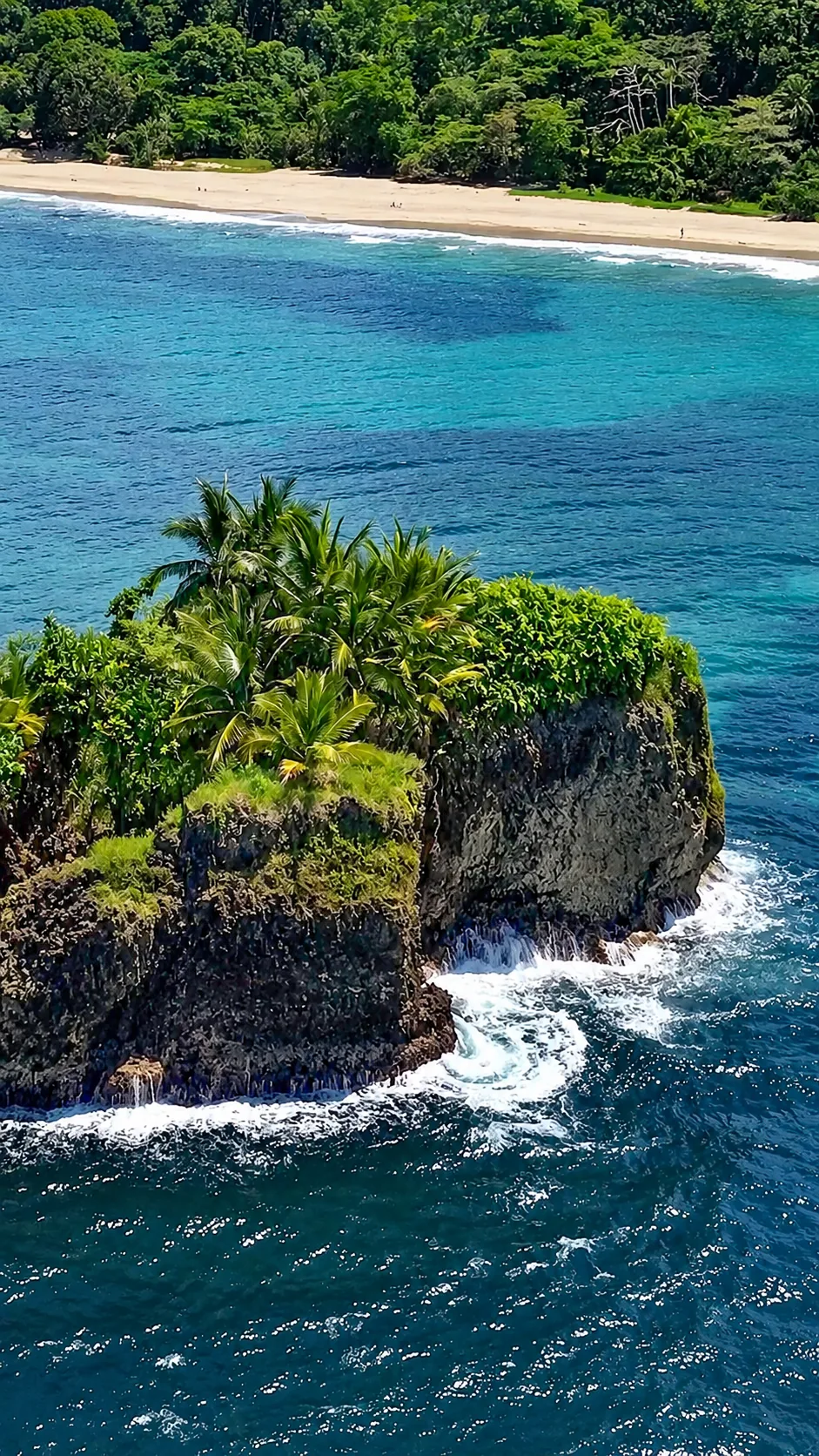
Playa Cocles
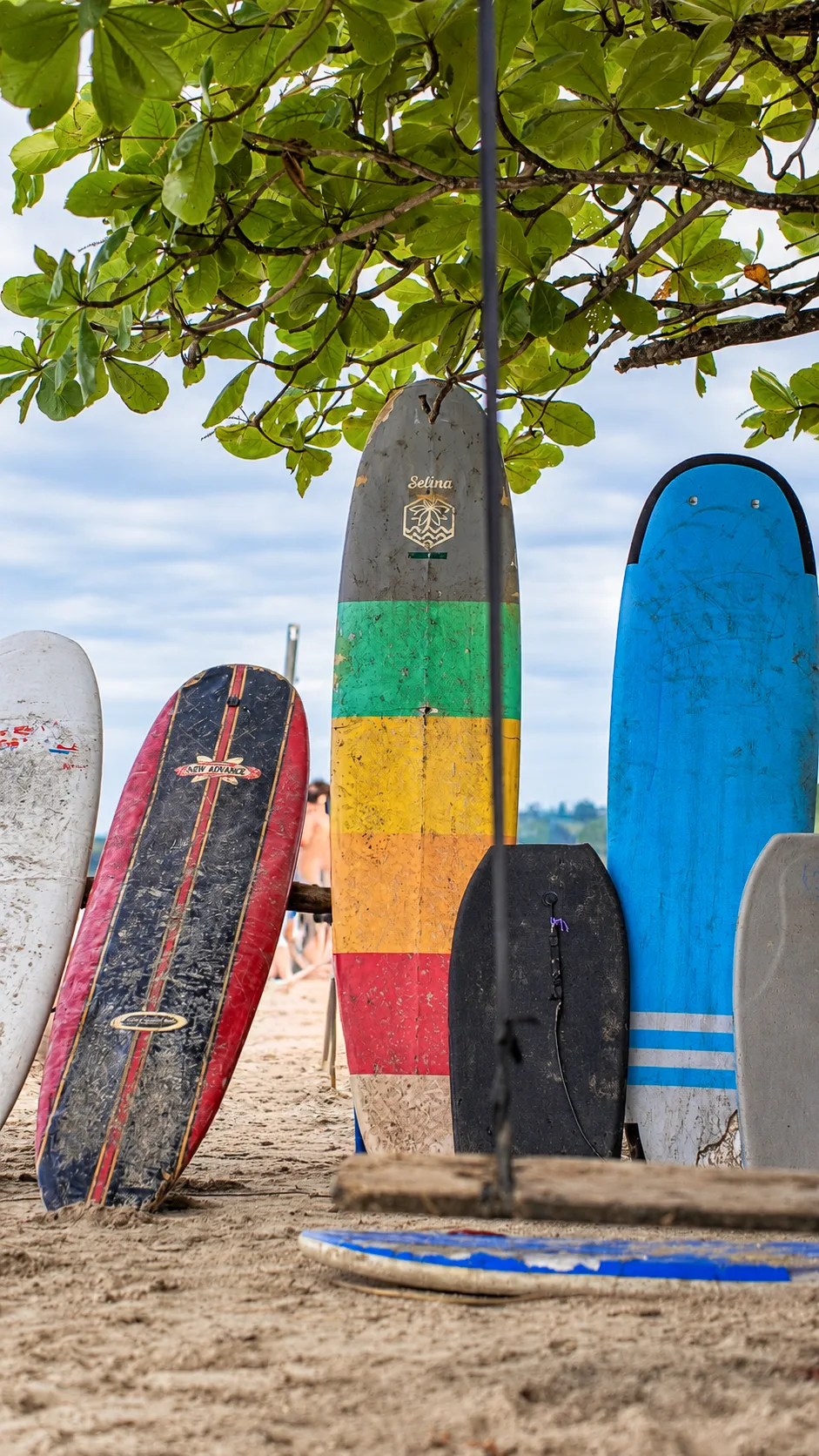
Surf, palm trees and lifeguards; one of the most recognizable beaches in the area.
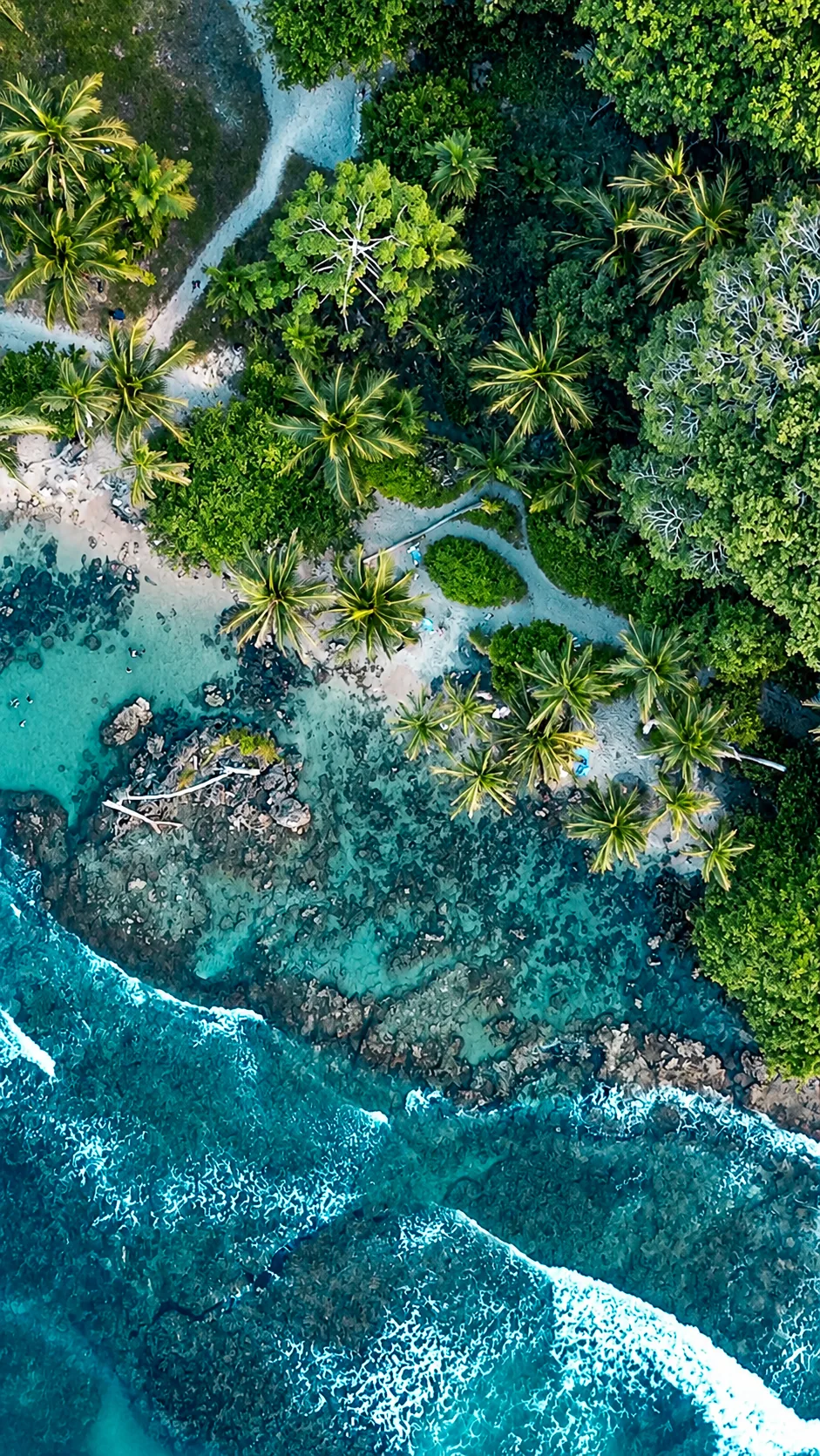
Playa Chiquita
A quieter stretch of coastline with tide pools, framed by tropical vegetation.
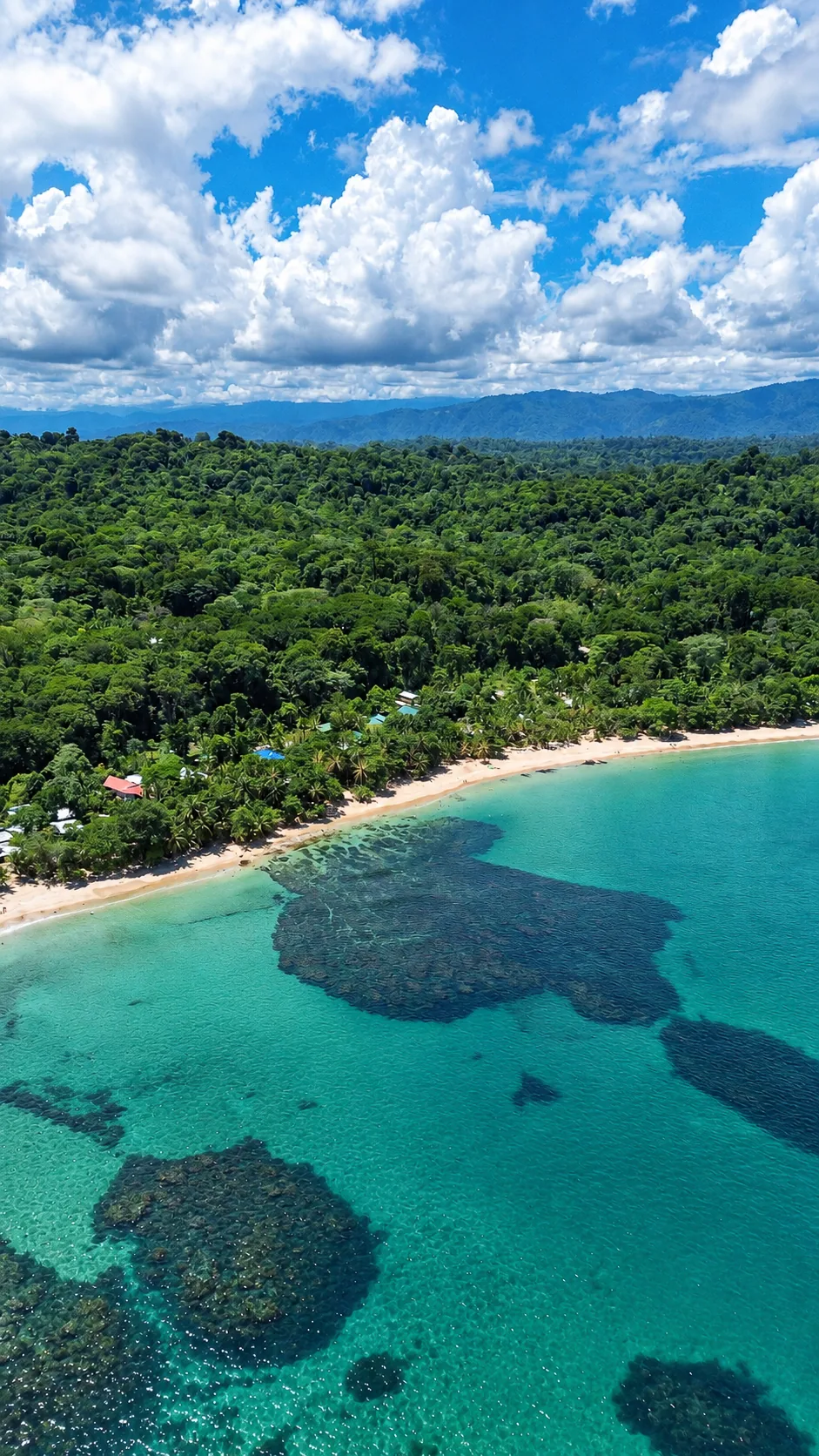 Our beach
Punta Uva
Jungle, turquoise water and calm, swimmable coves — named among the world’s 50 best beaches in 2025.
Explore our villas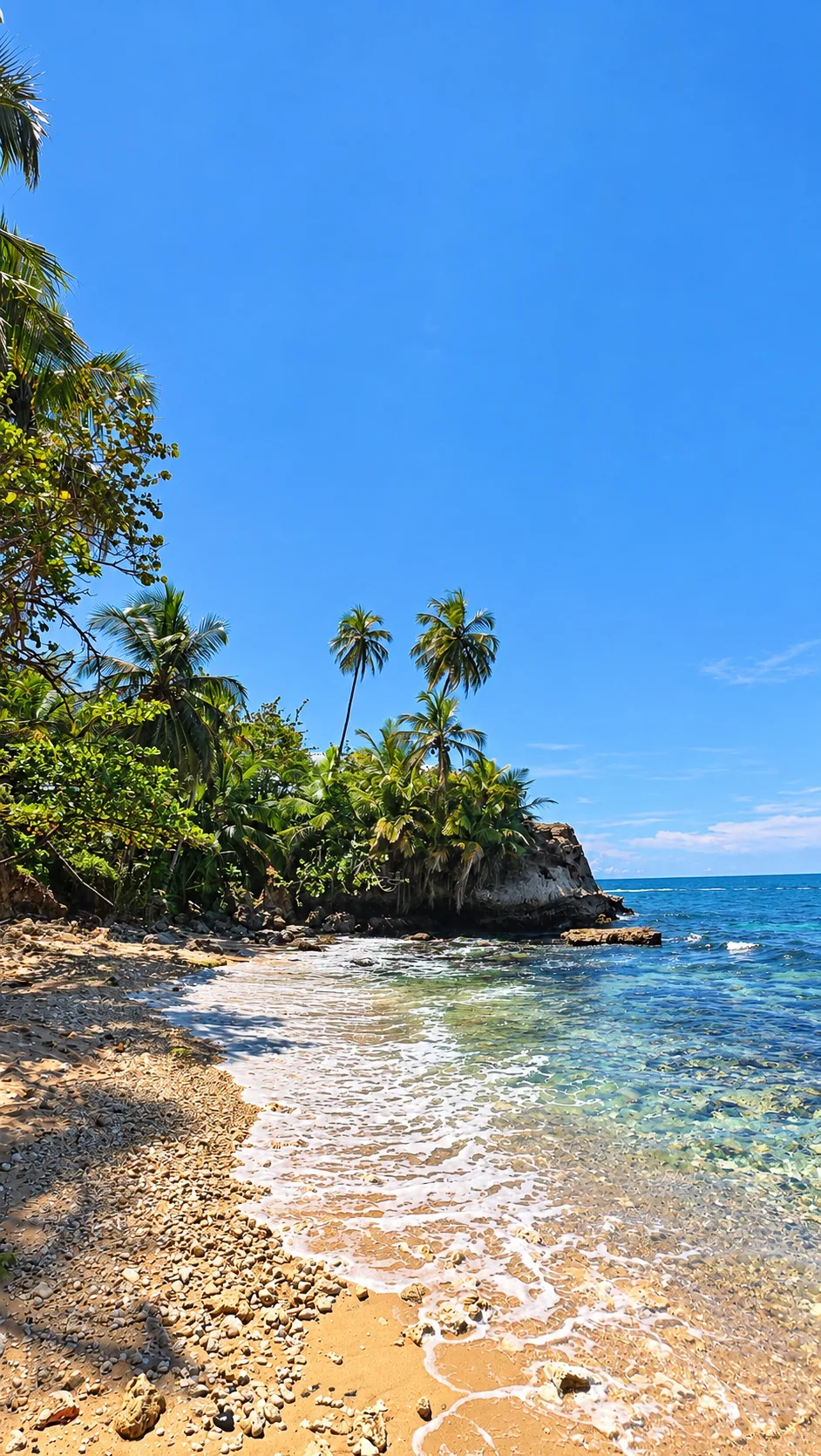
Manzanillo
The end of the road, where the coast becomes the Gandoca-Manzanillo Wildlife Refuge.
Life revolves around the ocean
Days here tend to organize themselves around the water: an early swim before the heat, surf when the swell comes in, snorkeling on the reef when the sea is calm, and everyone drifting back to the sand for sunset. Beaches are where locals and visitors actually meet.
Stay near Punta UvaChapter 04 — Jungle & Wildlife
Where the Jungle Meets the Sea
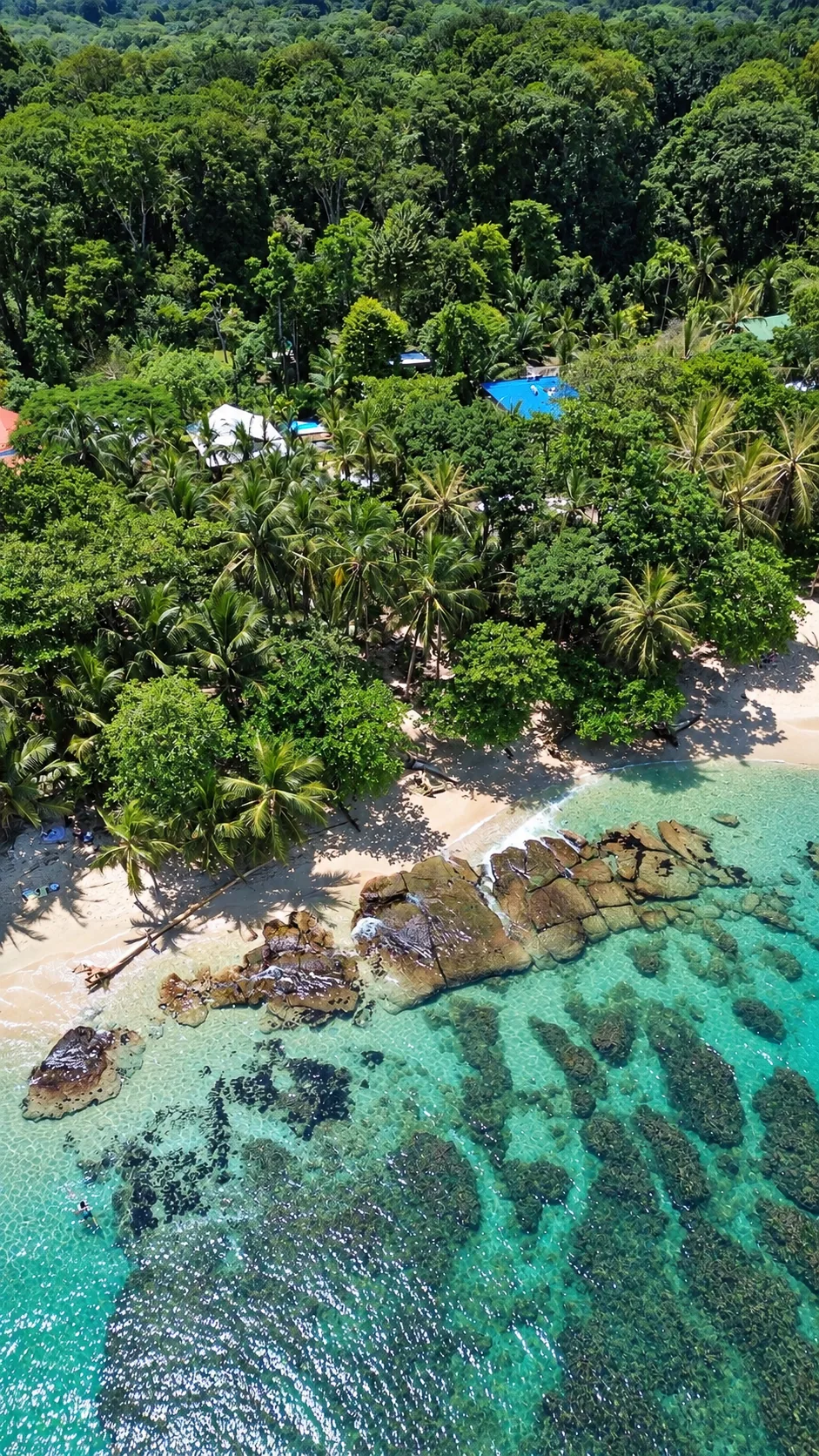
One of the things that makes the Caribbean coast different is how close nature is to everyday life. Around Puerto Viejo and Punta Uva, the jungle surrounds the roads, homes and beaches, and wildlife is often found surprisingly close to town — a sloth above the bike path, howler monkeys as your alarm clock, a frog the size of a fingernail on the porch.
Who lives here?
- Photo coming soon
Sloths
Two- and three-toed sloths are common in the trees along the coast road. Look up — they're easy to miss.
- Photo coming soon
Howler monkeys
Heard long before they are seen, usually at dawn. White-faced capuchins are around too.
- Photo coming soon
Toucans
Keel-billed and chestnut-mandibled toucans move through the canopy in small groups.
- Photo coming soon
Poison dart frogs
Tiny red "blue jeans" frogs live on the forest floor. Look, but please don’t touch.
- Photo coming soon
Blue morpho butterflies
Flashes of electric blue along jungle trails and gardens.
- Photo coming soon
Great green macaws
Once gone from this coast, now returning thanks to local reintroduction work near Manzanillo.
Chapter 05 — Staying Longer
What Is It Like to Live in Puerto Viejo?
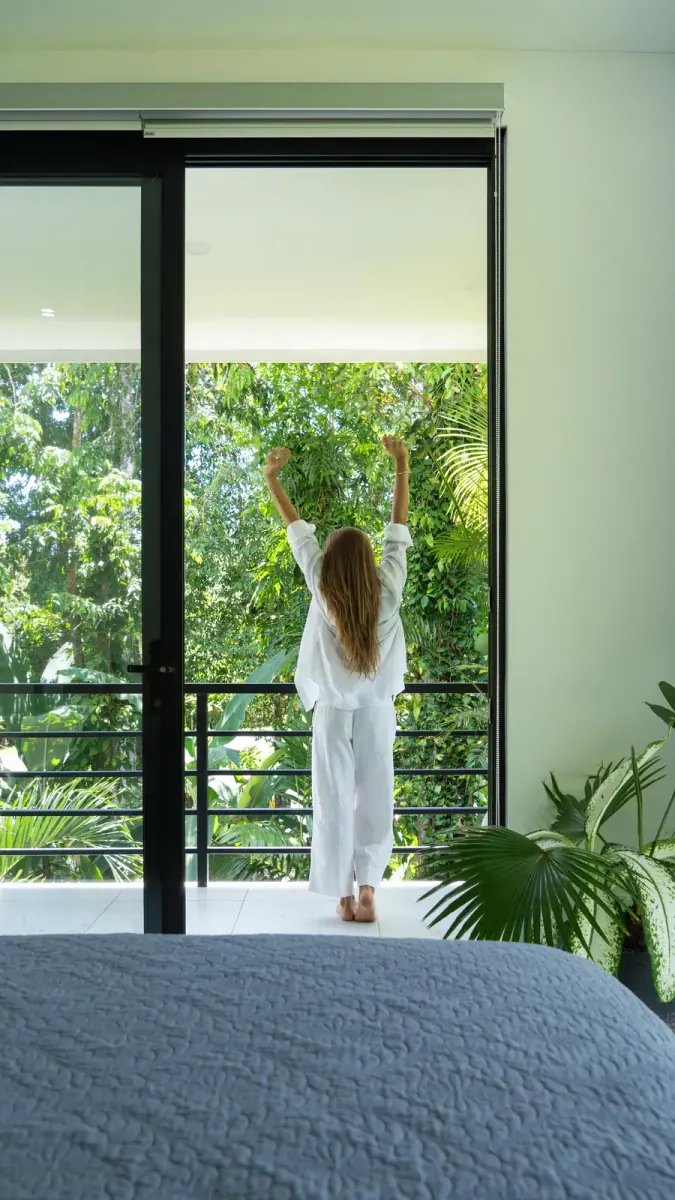
Thinking about staying longer?
Puerto Viejo has a rhythm that's easy to fall into. Mornings at the beach, afternoons exploring the jungle, local food, bicycles instead of cars and a community that attracts people from around the world.
A few things people consider before staying longer
- Internet
- Fiber-optic internet is available in much of the area; our villas also have Starlink backup for remote work.
- Groceries
- Small markets near Punta Uva cover the basics; larger supermarkets and a weekly farmers market are in Puerto Viejo.
- Getting around
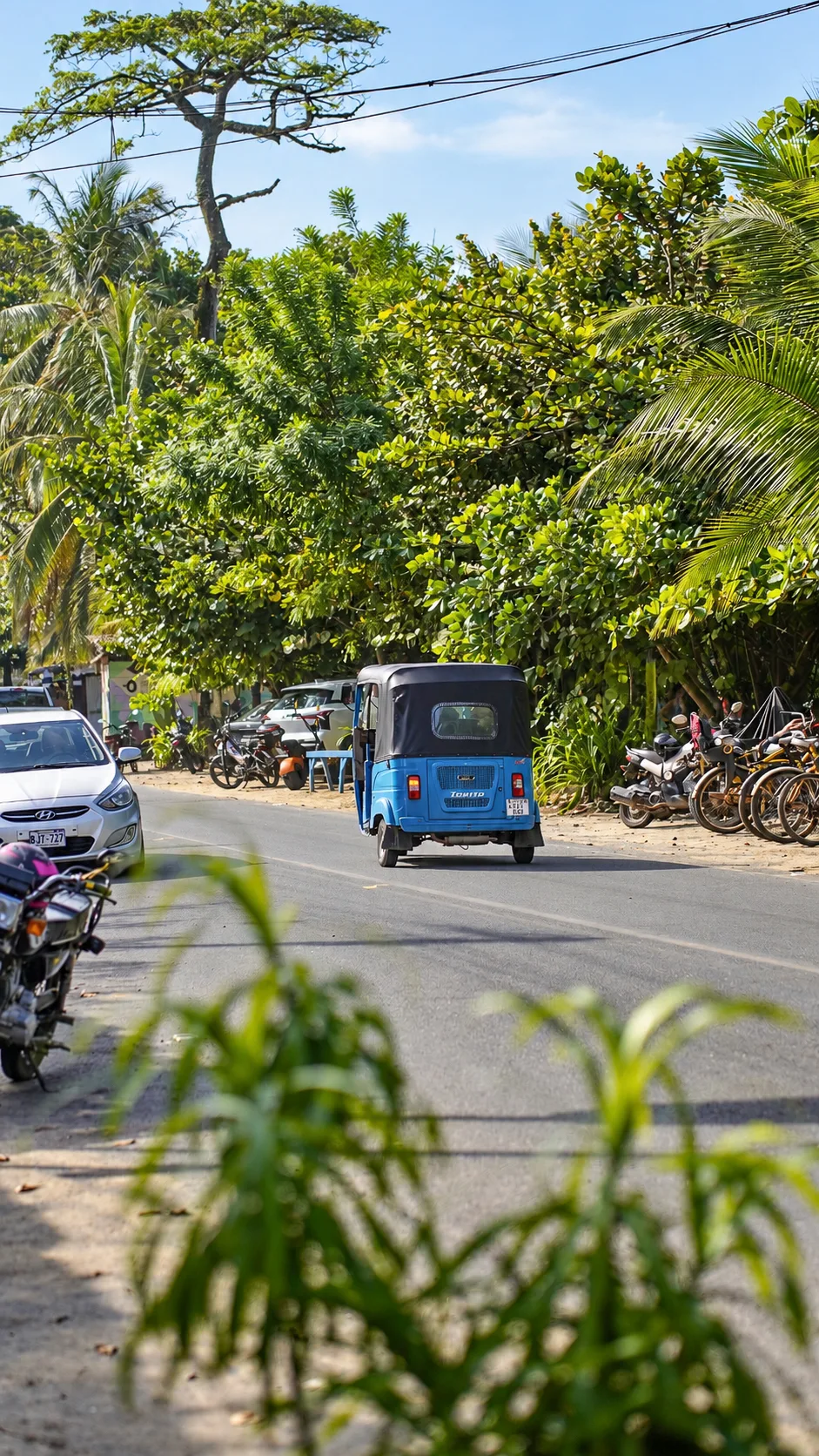
- Bicycles, tuk-tuks, taxis and local buses. The main road is paved, so no 4x4 is needed.
- Healthcare
- Puerto Viejo has clinics and pharmacies; the nearest full hospital is in Limón city.
- Weather
- Warm year-round. It can rain any month, but September and October are often among the sunniest, calmest months here.
- Nearby towns
- Cahuita and its national park to the north; Manzanillo and the wildlife refuge to the south; Bribri inland.
Details change, so we keep this section updated. Message us if you have a specific question about staying longer. Contact us
Villas Punta Uva
Stay in the middle of it all
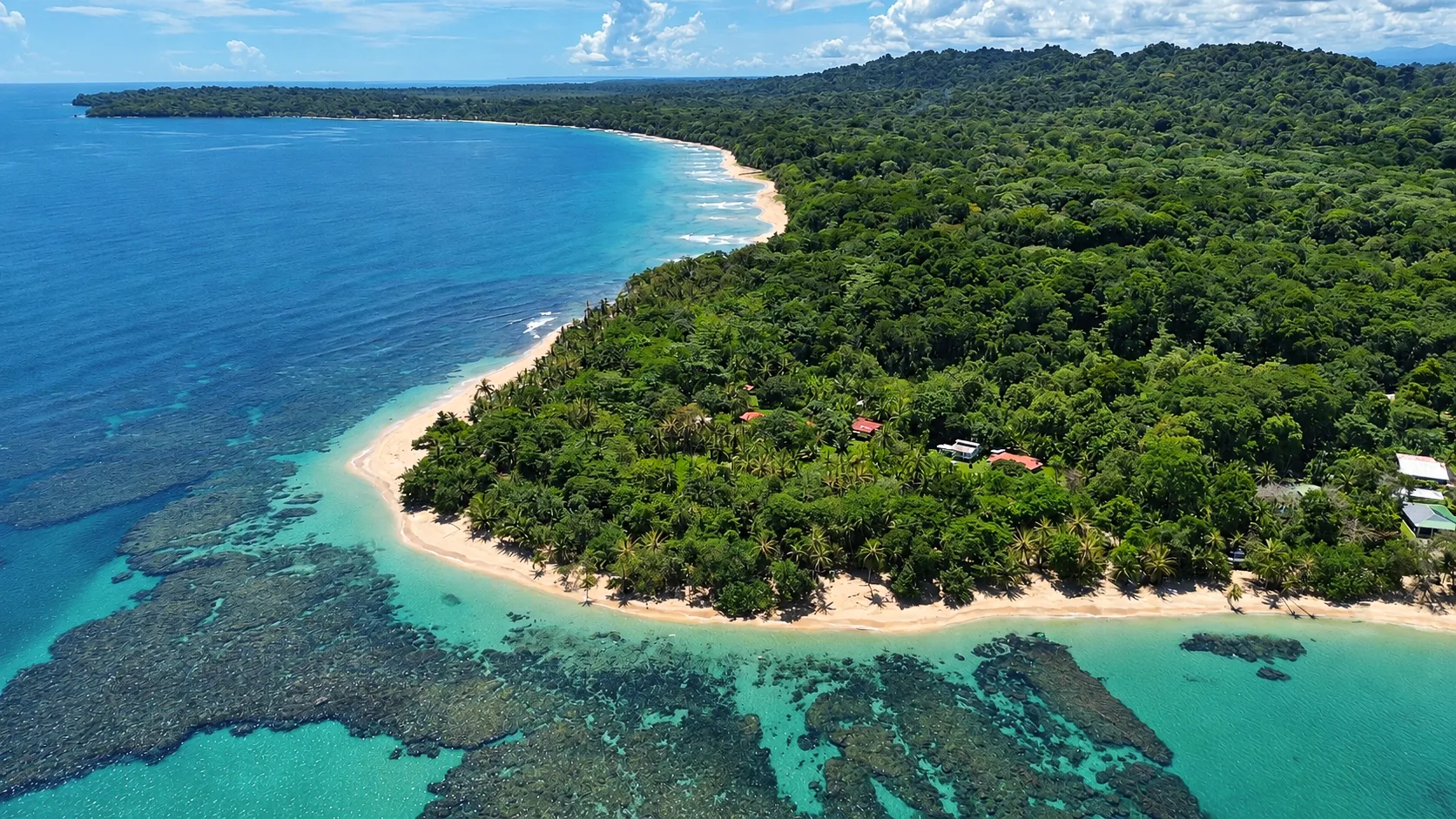
Punta Uva sits just south of Puerto Viejo, between the jungle and one of the most beautiful stretches of the Caribbean coast. Our villas are a short walk from the beach, with the town, the reef and the refuge all within easy reach.